
China Travel Guide: Best Places to Visit in China
{
“content_html”: “
China Travel Guide: Best Places to Visit in China
nn
China is a vast, diverse country with a rich history spanning thousands of years and landscapes that range from snow-capped mountains to tropical beaches. Whether you’re drawn to ancient wonders, modern cities, or natural beauty, this China travel guide highlights the best places to visit in China for first-time and returning travelers alike. From the Great Wall to the Li River, these destinations offer unforgettable experiences rooted in culture, history, and scenic grandeur. With practical tips and clear recommendations, this guide helps you plan a trip that balances iconic sights with hidden gems.
nn
Why Visit China? A Snapshot of Culture, History, and Nature
nn
China blends ancient traditions with rapid modernization in ways few countries can match. It’s home to 56 recognized ethnic groups, over 50 UNESCO World Heritage Sites, and some of the world’s most impressive architectural and natural landmarks. Travelers come for the history—imperial palaces, Buddhist temples, and Silk Road relics—but stay for the food, hospitality, and sheer scale of discovery.
nn
The country’s infrastructure supports tourism well: high-speed rail connects major cities, English signage is increasingly common, and mobile payment systems make transactions easy for visitors. Still, preparation is key. Understanding regional differences, seasonal weather patterns, and cultural norms will enhance your experience and help you navigate China confidently.
nn
Top Destinations in China: Must-See Cities and Natural Wonders
nn
China’s geography spans deserts, rivers, mountains, and coastlines. To help you prioritize, here are the most rewarding destinations, grouped by region and theme.
nn
Beijing: Imperial Grandeur and Urban Energy
nn
As the capital, Beijing is a natural starting point for any China travel guide. It’s where past and present collide—ancient hutongs (alleyways) sit beside futuristic skyscrapers. The city is home to four UNESCO sites, including the Forbidden City and the Temple of Heaven.
nn
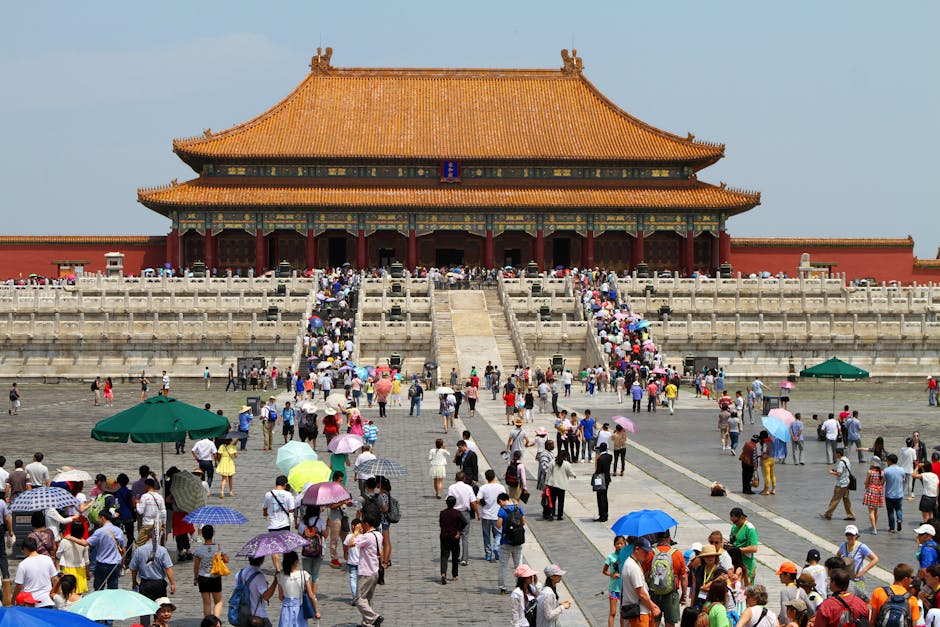
The Forbidden City, once the imperial palace for 24 emperors, covers 180 acres and contains nearly 1,000 buildings. Plan at least half a day to explore its courtyards, halls, and museums. Nearby, Tiananmen Square is one of the world’s largest public squares and a symbolic center of Chinese history.
nn
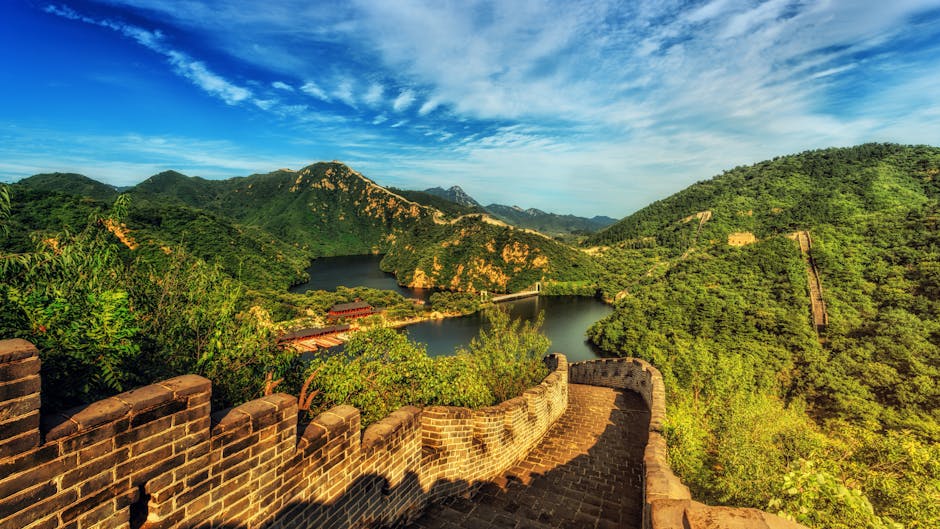
No visit to Beijing is complete without walking the Great Wall of China. While several sections are accessible from the city, Mutianyu is recommended for its balance of preservation, scenery, and fewer crowds. It’s less steep than Badaling but still offers panoramic views of forested hills and watchtowers. For a more rugged experience, Jinshanling allows hiking between restored and wild sections of the wall.
nn
Beijing’s hutongs offer a glimpse into traditional life. Explore neighborhoods like Nanluoguxiang on foot or by rickshaw, stopping at local tea houses, artisan shops, and courtyard homes. The city’s food scene is equally compelling—try Peking duck at Quanjude or Da Dong, and sample street snacks like jianbing (savory crepes) at Wangfujing Snack Street.
nn
Shanghai: Modern Skyline and Waterfront Charm
nn
Shanghai represents China’s economic rise. Its skyline, dominated by the Oriental Pearl Tower and Shanghai Tower, reflects the country’s ambition. Yet the city also preserves its colonial past along the Bund—a riverside promenade lined with early 20th-century European-style buildings.
nn
Walk from the Bund across the Waibaidu Bridge to Yu Garden, a classical Chinese garden with pavilions, rockeries, and koi ponds. Nearby, the Old City district offers souvenir shopping and traditional architecture. For a contrast, head to Xintiandi, a pedestrian zone blending restored shikumen (stone-gate) houses with upscale dining and boutiques.
nn
Shanghai’s public transportation is efficient and clean. The metro system covers most attractions, and taxis are affordable. Use Alipay or WeChat Pay for seamless transactions—cash is rarely needed. If time allows, take a day trip to Suzhou, known as the “Venice of the East” for its canals and gardens like the Humble Administrator’s Garden.
nn
Xi’an: Cradle of Chinese Civilization
nn
Xi’an, once the eastern terminus of the Silk Road, is one of China’s oldest cities. It served as the capital for 13 dynasties and remains a cultural treasure trove. The city’s most famous attraction is the Terracotta Army, discovered in 1974 by local farmers. Over 8,000 life-sized soldiers, horses, and chariots were buried with China’s first emperor, Qin Shi Huang, to protect him in the afterlife.
nn
The site is divided into three pits, with Pit 1 being the largest and most impressive. Allow at least two hours to explore, and consider hiring a guide to explain the historical context. Nearby, the Ancient City Wall encircles the old quarter and is one of the best-preserved in China. Rent a bike to ride along the top for views of the city.
nn
Xi’an is also a food lover’s destination. The Muslim Quarter, centered around Beiyuanmen Street, offers lamb skewers, roujiamo (Chinese hamburger), and persimmon cakes. Try biangbiang noodles—thick, hand-pulled noodles served with chili oil and vegetables—at a local eatery.
nn
Guilin and Yangshuo: Karst Landscapes and River Cruises
nn
For natural beauty, few places rival Guilin and Yangshuo in Guangxi Province. Towering limestone karsts rise from rice paddies and rivers, creating a landscape often depicted in traditional Chinese paintings.
nn
The Li River Cruise from Guilin to Yangshuo is a classic experience. The four-hour journey passes iconic sights like the Nine Horse Fresco Hill and the landscape featured on the 20-yuan banknote. Opt for a bamboo raft or small boat for a quieter, more intimate ride.
nn
In Yangshuo, outdoor activities abound. Cycle through villages and karst formations on rented bikes, hike to viewpoints like Moon Hill, or take a cooking class to learn local dishes like beer fish. The West Street night market offers souvenirs, snacks, and live music.
nn
Zhangjiajie: Avatar Mountains and Glass Bridges
nn
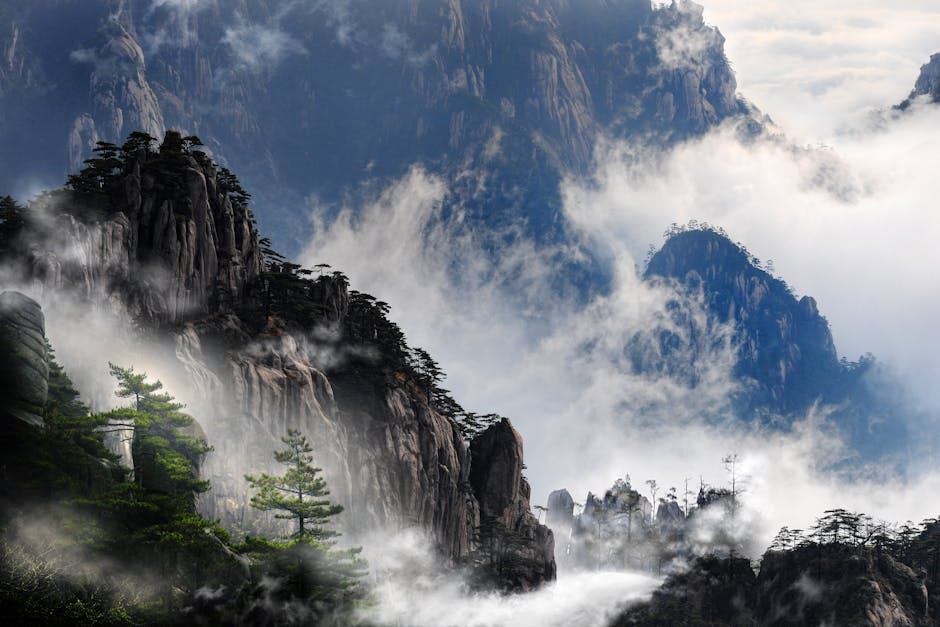
Zhangjiajie National Forest Park in Hunan Province inspired the floating mountains in the film *Avatar*. Its quartzite sandstone pillars, some over 200 meters tall, rise dramatically from the forest floor.
nn
The park’s Avatar Hallelujah Mountain (formerly Southern Sky Column) was renamed after the movie due to its resemblance to the film’s setting. Take the Bailong Elevator—one of the world’s highest outdoor lifts—to reach the summit quickly. From there, walk the glass skywalk for vertigo-inducing views.
nn
Nearby, Tianmen Mountain features a natural arch and the world’s longest cable car ride. The “Heaven’s Gate” cave is accessible via a 999-step staircase known as the “Stairway to Heaven.” For thrill-seekers, the glass-bottomed walkway along the mountain’s edge is unforgettable.
nn
Chengdu: Pandas, Spicy Cuisine, and Slow Living
nn
Chengdu, the capital of Sichuan Province, is known for its relaxed pace, world-class cuisine, and giant pandas. The Chengdu Research Base of Giant Panda Breeding is the best place in China to see these endangered animals up close. Visit early morning when pandas are most active, especially during feeding times.
nn
Sichuan food is famous for its bold flavors, particularly the numbing heat of Sichuan peppercorns. Try mapo tofu, hot pot, and dan dan noodles at local restaurants. The city’s teahouses offer a glimpse into daily life—locals play mahjong, sip tea, and chat for hours.
nn
Take a day trip to Dujiangyan, an ancient irrigation system still in use today. Built over 2,000 years ago, it’s a marvel of engineering and a UNESCO site. Nearby, the Qingcheng Mountains offer hiking trails and Taoist temples.
nn
Regional Highlights: Beyond the Main Cities
nn
While major cities draw most visitors, China’s lesser-known regions offer equally compelling experiences.
nn
Tibet: Spiritual Heights and Sacred Landscapes
nn
Tibet Autonomous Region, often called the “Roof of the World,” is home to Mount Everest and some of Buddhism’s most sacred sites. Lhasa, the capital, is centered around the Potala Palace—a former winter residence of the Dalai Lama. The palace contains over 1,000 rooms, 10,000 shrines, and 200,000 statues.
nn
The Jokhang Temple is Tibet’s most important religious site. Pilgrims travel for days to circle the temple in prayer. Nearby, Barkhor Street is a lively market for prayer flags, thangka paintings, and yak butter tea.
nn
Travel to Tibet requires a special permit, which must be arranged through a licensed tour operator. Altitude sickness is a real concern—Lhasa sits at 3,650 meters. Allow time to acclimatize, stay hydrated, and avoid strenuous activity for the first few days.
nn
Xinjiang: Silk Road Heritage and Desert Oases
nn
Xinjiang, in northwest China, is a crossroads of cultures with Uyghur, Kazakh, and Han influences. The region’s Silk Road history is evident in cities like Kashgar, once a major trading hub.
nn
The Sunday Market in Kashgar is one of the largest open-air markets in Central Asia. Traders sell spices, carpets, knives, and livestock. Nearby, the ancient city of Turpan features the Emin Minaret and the Flaming Mountains—a red sandstone range that inspired *Journey to the West*.
nn
For natural beauty, visit Kanas Lake in the Altai Mountains. The pristine alpine lake is surrounded by forests and snow-capped peaks. In summer, nomadic Kazakh families graze their herds in the valleys.
nn
Yunnan: Ethnic Diversity and Tropical Scenery
nn
Yunnan Province in southwest China borders Myanmar, Laos, and Vietnam. It’s one of the most ethnically diverse regions, with over 25 minority groups.
nn
Lijiang, a UNESCO-listed ancient town, features cobblestone streets, canals, and Naxi architecture. Nearby, Shangri-La offers Tibetan culture, monasteries, and the stunning Pudacuo National Park.
nn
In spring, Kunming, the capital, is known as the “Spring City” for its mild climate. Visit the Stone Forest, a labyrinth of limestone formations, or take a train to Dali for Erhai Lake and traditional Bai villages.
nn
Practical Tips for Traveling in China
nn
China is generally safe for tourists, but preparation ensures a smoother trip. Here’s what you need to know.
nn
Visa Requirements
nn
Most travelers need a visa to enter China. Apply in advance at a Chinese embassy or consulate. Tourist (L) visas are typically valid for 30 days and can be single or multiple entry. Some cities, like Shanghai and Guangzhou, offer 144-hour visa-free transit for certain nationalities—check eligibility before booking.
nn
Transportation
nn
China has an extensive high-speed rail network. Trains like the Beijing-Shanghai line cover 1,300 km in under 5 hours. Book tickets in advance via 12306.cn or at station counters. For domestic flights, airlines like Air China and China Eastern are reliable.
nn
In cities, use metro systems and ride-hailing apps like Didi. Taxis are affordable but drivers rarely speak English. Always carry your hotel’s address in Chinese.
nn
Language and Communication
nn
Mandarin (Putonghua) is the official language, but dialects vary regionally. Download translation apps like Pleco or Google Translate with offline packs. Learn basic phrases: “Nǐ hǎo” (hello), “Xièxiè” (thank you), and “Duōshǎo qián?” (how much?).
nn
Money and Payments
nn
China is increasingly cashless. Alipay and WeChat Pay are used for everything from street food to hotel bookings. Foreign cards aren’t widely accepted—set up a Chinese bank account or use services like Alipay Tour Pass. Carry some cash for rural areas.
nn
Internet and Connectivity
nn
Many Western websites, including Google, Facebook, and YouTube, are blocked in China. Use a reliable VPN before arrival. Purchase a local SIM card at the airport for data access.
nn
Health and Safety
nn
Tap water isn’t safe to drink—use bottled or filtered water. Carry hand sanitizer and wear a mask in crowded areas, especially during flu season. Travel insurance is recommended, especially for remote regions.
nn
Best Time to Visit China
nn
China’s climate varies widely by region. Generally, spring (April–May) and autumn (September–October) offer mild weather and fewer crowds. Summer (June–August) is hot and humid, with monsoon rains in the south. Winter (December–February) is cold, especially in the north, but ideal for skiing in Harbin or seeing ice lanterns.
nn
Major holidays like Chinese New Year (late January or February) and Golden Week (early October) see massive travel surges. Book accommodations and transport well in advance during these periods.
nn
Sample Itinerary: 14 Days in China
nn
For a balanced trip, consider this route:
nn
- n
- Days 1–3: Beijing – Forbidden City, Great Wall, hutongs
- Days 4–5: Xi’an – Terracotta Army, City Wall, Muslim Quarter
- Days 6–8: Guilin and Yangshuo – Li River cruise, cycling, cooking class
- Days 9–11: Shanghai – Bund, Yu Garden, Xintiandi, day trip to Suzhou
- Days 12–14: Chengdu – Panda Base, Sichuan food, Dujiangyan
n
n
n
n
n
nn
This itinerary covers history, nature, and cuisine, with efficient rail connections between cities.
nn
Compact Comparison: Top China Destinations at a Glance
nn
| Destination | Best For | Ideal Visit Duration | Best Time to Go |
|---|---|---|---|
| Beijing | History, imperial sites | 3–4 days | April–May, September–October | Shanghai | Modern architecture, shopping | 2–3 days | March–May, September–November | Xi’an | Ancient history, Terracotta Army | 2 days | March–May, September–November |
| Guilin/Yangshuo | Natural scenery, outdoor activities | 3 days | April–October |
| Chengdu | Pandas, spicy food | 2–3 days | March–May, September–November |
nn
Final Thoughts: Planning Your China Adventure
nn
China rewards curious travelers with depth, diversity, and discovery. This China travel guide highlights the best places to visit in China, from ancient capitals to misty mountains. With

