
Japan Travel Guide: Best Cities to Visit in Japan
Japan Travel Guide: Best Cities to Visit in Japan
Japan offers a compelling mix of ancient tradition and cutting-edge modernity, making it one of the world’s top travel destinations. Whether you’re drawn to serene temples, bustling cityscapes, world-class cuisine, or natural beauty, this Japan travel guide highlights the best cities to visit in Japan. From the neon-lit streets of Tokyo to the historic charm of Kyoto, each city presents a unique slice of Japanese culture, history, and daily life. This guide covers essential destinations, practical travel tips, and what to expect so you can plan a rewarding trip tailored to your interests.
Why Visit Japan? A Quick Overview
Japan stands out for its seamless blend of old and new. You can sip matcha in a 400-year-old teahouse in Kyoto and minutes later ride a high-speed Shinkansen to a futuristic metropolis like Osaka. The country is known for its safety, cleanliness, efficient public transportation, and deep respect for tradition. Whether you’re a first-time visitor or returning for a deeper exploration, Japan rewards curiosity with rich experiences—from cherry blossom viewing in spring to autumn foliage in rural towns.
Top Cities to Visit in Japan
Choosing where to go in Japan depends on your travel style. Are you seeking urban energy, historical depth, natural escapes, or culinary adventures? Below are the most recommended cities, each offering distinct attractions and atmospheres.
Tokyo: The Dynamic Capital
Tokyo is Japan’s bustling capital and the starting point for most international travelers. It’s a city of contrasts: towering skyscrapers neighbor quiet shrines, and robot restaurants sit alongside centuries-old markets. Districts like Shibuya and Shinjuku pulse with energy, while Asakusa preserves old-world charm with Senso-ji Temple.
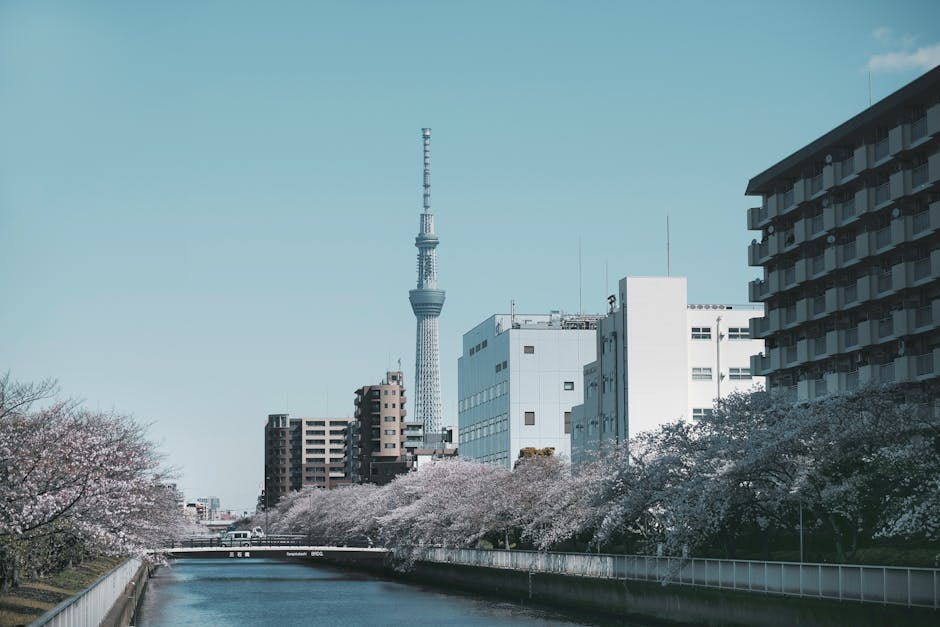
Must-see spots include the Meiji Shrine, the Imperial Palace East Gardens, and the Tsukiji Outer Market for fresh sushi. For a panoramic view, visit Tokyo Skytree or the observation deck at Roppongi Hills. Tokyo also excels in shopping—explore Harajuku for youth fashion, Ginza for luxury brands, and Akihabara for electronics and anime culture.
Travel tip: Use the Suica or Pasmo IC card for seamless travel on trains and buses. Most stations are well-signposted in English, but learning a few basic Japanese phrases helps in less touristy areas.
Kyoto: The Cultural Heart
Kyoto, Japan’s former imperial capital, is the country’s cultural treasure chest. With over 2,000 temples and shrines, it’s the best place to experience traditional Japan. The city’s grid layout makes it easy to navigate, and many attractions are within walking distance.
Top sites include Fushimi Inari Shrine, famous for its thousands of red torii gates, and Kinkaku-ji (the Golden Pavilion), a Zen temple covered in gold leaf. The Arashiyama district offers bamboo groves, the Tenryu-ji Temple, and the scenic Togetsukyo Bridge. Don’t miss the Gion district, where you might spot a geisha in the evening.
Kyoto is also a food lover’s paradise. Try kaiseki (multi-course haute cuisine), yudofu (tofu hot pot), and matcha-based sweets. Many ryokans (traditional inns) offer kaiseki dinners and onsen (hot spring) baths.
Warning: Popular temples can get crowded, especially during cherry blossom (late March to early April) and autumn foliage (November) seasons. Visit early in the morning or on weekdays to avoid peak crowds.
Osaka: The Kitchen of Japan
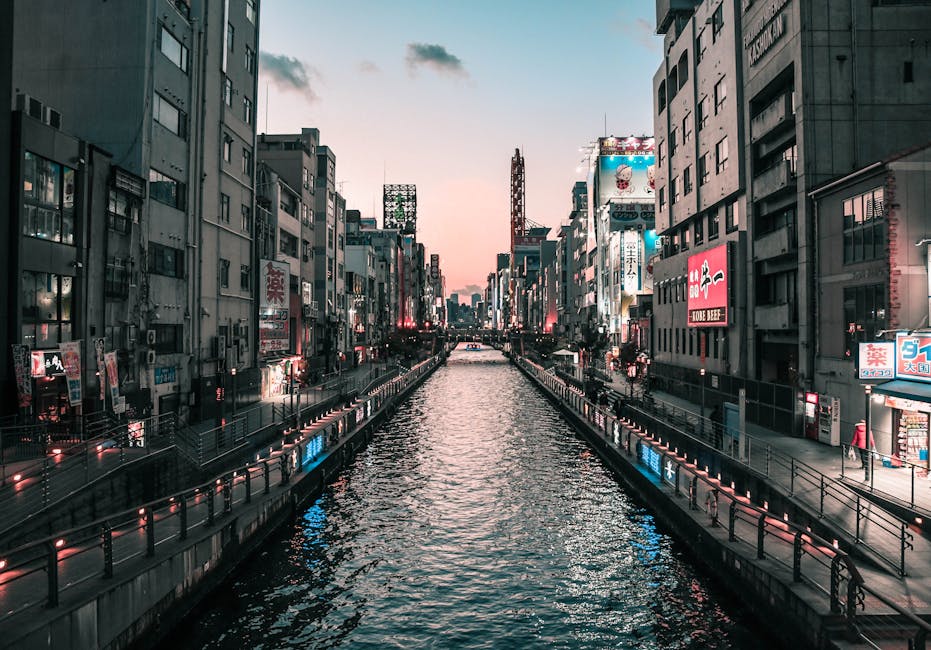
Osaka is known for its friendly locals, vibrant nightlife, and exceptional street food. Often called the “Kitchen of Japan,” it’s a must-visit for foodies. Dotonbori is the city’s iconic entertainment district, lined with neon signs, restaurants, and takoyaki (octopus balls) stalls.
Other highlights include Osaka Castle, a historic landmark with a museum and park, and the Umeda Sky Building, which offers a floating garden observatory. For families, Universal Studios Japan is a major draw, especially with the addition of Super Nintendo World.
Osaka is also a practical base for day trips. It’s just 30 minutes by train from Kyoto and Nara, making it ideal for travelers who want urban convenience with easy access to cultural sites.
Hiroshima: Peace and Resilience
Hiroshima is a city defined by its tragic past and powerful message of peace. The Peace Memorial Park and Museum are essential visits, offering moving exhibits on the 1945 atomic bombing. The Atomic Bomb Dome, a UNESCO World Heritage Site, stands as a solemn reminder of the event.
Just a short ferry ride away is Miyajima Island, home to the iconic Itsukushima Shrine and its “floating” torii gate at high tide. Hike or take a cable car up Mount Misen for panoramic views of the Seto Inland Sea.
Hiroshima is also known for its local cuisine, particularly okonomiyaki—a savory pancake layered with cabbage, meat, and sauce. Try it at a traditional teppanyaki-style restaurant in the city center.
Nara: Ancient Capital and Sacred Deer
Nara, Japan’s first permanent capital, is a compact city rich in history and natural beauty. It’s home to some of the country’s oldest and largest temples, including Todai-ji, which houses a 15-meter-tall bronze Buddha statue.
Nara Park is famous for its free-roaming sika deer, considered sacred messengers of the gods. Visitors can feed them special crackers called shika senbei, sold throughout the park.
Other notable sites include Kasuga Taisha Shrine, known for its thousands of lanterns, and the tranquil Isuien Garden. Nara is easily accessible from Kyoto (45 minutes by train) and makes an excellent day trip.
Hakone: Hot Springs and Mt. Fuji Views
For a relaxing escape near Tokyo, Hakone is a top choice. This mountainous resort town is famous for its onsen (natural hot springs), ryokans, and views of Mount Fuji—on clear days, that is.
The Hakone Loop is a popular route that includes a cruise on Lake Ashi, a ride on the Hakone Ropeway, and a ride on the historic Hakone Tozan Railway. The Open-Air Museum features modern sculptures with mountain backdrops.
Stay overnight in a ryokan with a private onsen for the full experience. Many include kaiseki dinners and futon bedding. Book well in advance, especially during peak seasons.
Sapporo: Gateway to Hokkaido
Sapporo, the capital of Hokkaido, is ideal for travelers seeking cooler climates, fresh seafood, and outdoor adventures. It’s best known for the Sapporo Snow Festival in February, where massive ice sculptures draw millions of visitors.
The city offers excellent ramen (try miso ramen at a local shop), dairy products, and beer—Sapporo is home to Japan’s oldest beer brewery. Odori Park is a central green space with seasonal events, and the Sapporo Beer Museum provides insight into the city’s brewing history.
Sapporo is also a base for exploring Hokkaido’s natural wonders, including Furano’s lavender fields and Shikotsuko-Toya National Park.
How to Plan Your Japan Itinerary
With so many great cities, planning your route is key. Most travelers begin in Tokyo and use the Shinkansen (bullet train) to reach other destinations. A 7-day Japan Rail Pass can save money if you plan to visit multiple cities.
Recommended Itineraries
- 7 Days: Tokyo (3 days) → Hakone (1 day) → Kyoto (2 days) → Osaka (1 day)
- 10 Days: Tokyo (3 days) → Hakone (1 day) → Kyoto (3 days) → Nara (day trip) → Osaka (2 days) → Hiroshima (1 day)
- 14 Days: Add Sapporo or Takayama for a deeper regional experience
Travel between cities is efficient. The Shinkansen connects Tokyo, Kyoto, Osaka, and Hiroshima in under 5 hours total. Local trains and buses serve smaller towns and rural areas.
Essential Travel Tips for Japan
Japan is welcoming to tourists, but a few practical tips go a long way.
Transportation
The Japan Rail Pass allows unlimited travel on JR trains, including most Shinkansen lines, for a fixed period (7, 14, or 21 days). It must be purchased before arriving in Japan. For city travel, IC cards like Suica (Tokyo) and ICOCA (Kansai) work on subways, buses, and even vending machines.
Language and Etiquette
While English is spoken in major tourist areas, learning basic Japanese phrases improves interactions. Bowing is a common greeting, and it’s polite to remove shoes before entering homes, temples, and some restaurants.
Avoid eating while walking, and always dispose of trash properly—public bins are rare, so carry a small bag for waste.
Money and Payments
Japan is still largely a cash-based society, especially in rural areas. ATMs at convenience stores (7-Eleven, FamilyMart) accept foreign cards. Credit cards are widely accepted in cities but may not work at small shops or temples.
Seasonal Considerations
Spring (March–May) and autumn (September–November) are peak travel seasons due to pleasant weather and scenic foliage. Summer is hot and humid, with rainy season in June. Winter is cold, especially in the north, but ideal for skiing and onsen.
Compact City Comparison Table
| City | Best For | Travel Time from Tokyo | Must-See Attraction |
|---|---|---|---|
| Tokyo | Urban exploration, shopping, nightlife | — (starting point) | Meiji Shrine, Shibuya Crossing |
| Kyoto | Temples, traditional culture, gardens | 2h 15m (Shinkansen) | Fushimi Inari Shrine, Kinkaku-ji |
| Osaka | Food, entertainment, family fun | 2h 30m (Shinkansen) | Dotonbori, Osaka Castle |
| Hiroshima | History, peace education, island scenery | 4h (Shinkansen) | Peace Memorial Park, Miyajima |
| Nara | Ancient temples, deer park, day trips | 3h 30m (via Kyoto) | Todai-ji, Nara Park |
| Hakone | Onsen, Mt. Fuji views, relaxation | 1h 30m (train + bus) | Lake Ashi, Hakone Ropeway |
| Sapporo | Snow festivals, nature, seafood | 1h 30m (flight) or 8h (train) | Sapporo Snow Festival, Odori Park |
Final Thoughts on the Best Cities to Visit in Japan
This Japan travel guide highlights the best cities to visit in Japan, each offering a unique perspective on the country’s culture, history, and daily life. Whether you’re marveling at Tokyo’s skyline, meditating in a Kyoto temple, or soaking in a Hakone onsen, Japan delivers unforgettable experiences. Plan your trip around your interests, use efficient transportation, and embrace the local customs for a smooth and enriching journey.
FAQ
What is the best time to visit Japan?
The best times are spring (March to May) for cherry blossoms and autumn (September to November) for fall foliage. These seasons offer mild weather and stunning scenery, though they are also the busiest.
Do I need a visa to visit Japan?
Citizens of many countries, including the U.S., Canada, the U.K., and Australia, can enter Japan visa-free for short stays (usually up to 90 days). Check Japan’s official immigration website for the latest requirements based on your nationality.
Is Japan expensive for tourists?
Japan can be pricey, but it’s possible to travel affordably. Budget accommodations (hostels, business hotels), convenience store meals, and free attractions (parks, temples) help control costs. The Japan Rail Pass offers savings for long-distance travel.

