
Turkey Travel Guide: Best Places and Travel Tips
{
“content_html”: “nnn n
Turkey Travel Guide: Best Places and Travel Tips
n
Planning a trip to Turkey? This comprehensive Turkey travel guide covers the country’s must-see destinations, cultural highlights, and essential travel tips to help you make the most of your journey. From the bustling streets of Istanbul to the surreal landscapes of Cappadocia and the thermal pools of Pamukkale, Turkey offers a rich blend of history, nature, and hospitality. Whether you’re exploring ancient ruins, sailing the turquoise coast, or savoring authentic Turkish cuisine, this guide delivers practical advice and insider insights for a smooth and rewarding experience.
nn
Why Visit Turkey?
n
Turkey sits at the crossroads of Europe and Asia, offering a unique fusion of cultures, landscapes, and traditions. Its strategic location has made it a historical crossroads for empires, resulting in a wealth of archaeological sites, architectural marvels, and diverse influences. Today, it’s one of the world’s most visited countries, drawing travelers with its affordability, safety, and variety.
n
From coastal resorts and mountain villages to cosmopolitan cities and remote archaeological wonders, Turkey caters to all types of travelers. It’s ideal for history buffs, food lovers, adventure seekers, and families alike. With a well-developed tourism infrastructure, English widely spoken in tourist areas, and a welcoming local population, Turkey is accessible and enjoyable for first-time and repeat visitors.
nn
Top Destinations in Turkey
n
Turkey’s diverse geography means no two regions are alike. Here are the top places to include in your itinerary:
nn
Istanbul: Where East Meets West
n
Istanbul is Turkey’s most iconic city and a perfect starting point for any trip. Straddling the Bosphorus Strait, it blends European and Asian influences in its architecture, cuisine, and daily life. Key attractions include:
n
- n
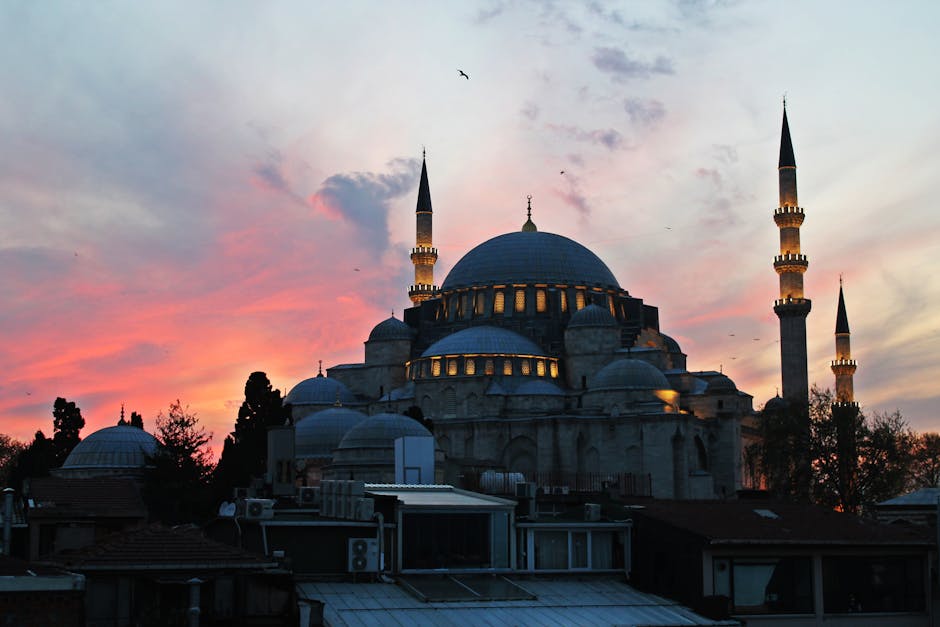
- Hagia Sophia: A former cathedral, mosque, and now museum, this architectural masterpiece dates back to the 6th century.
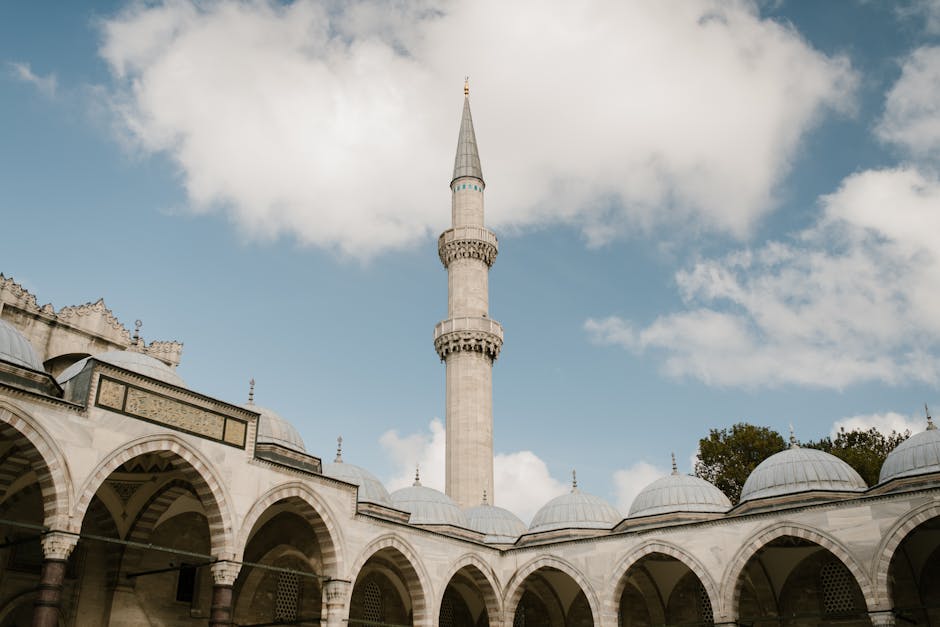
- Blue Mosque: Known for its striking blue tiles and six minarets, it’s still an active place of worship.
- Topkapi Palace: Once home to Ottoman sultans, it houses imperial collections, including the Prophet Muhammad’s relics.
- Grand Bazaar: One of the world’s oldest covered markets, with over 4,000 shops selling spices, textiles, and souvenirs.
- Bosphorus Cruise: A daytime or sunset boat ride offers stunning views of palaces, mosques, and waterfront mansions.
n
n
n
n
n
n
Stay in neighborhoods like Sultanahmet for historic charm or Beyoğlu for nightlife and cafes. Public transportation is efficient, with trams, ferries, and metro lines connecting major sites.
nn
Cappadocia: A Surreal Landscape
n
Located in central Anatolia, Cappadocia is famous for its fairy chimneys, cave churches, and hot air balloon rides. Formed by volcanic eruptions and erosion over millennia, the region offers otherworldly scenery and unique accommodations.
n
Must-do experiences include:
n
- n
- Hot Air Balloon Ride: Best at sunrise, offering panoramic views of the valleys and rock formations.
- Göreme Open-Air Museum: A UNESCO World Heritage Site with rock-cut churches adorned with Byzantine frescoes.
- Underground Cities: Explore Derinkuyu or Kaymaklı, multi-level cities carved beneath the surface to shelter thousands.
- Hiking in Rose Valley: Ideal for sunset walks through colorful rock formations.
n
n
n
n
n
Stay in a cave hotel for an authentic experience. Most are modernized with heating, Wi-Fi, and private bathrooms. Book balloon rides in advance, especially during peak season (April–October).
nn
Pamukkale: Thermal Pools and Ancient Ruins
n
Pamukkale, meaning “cotton castle” in Turkish, is named for its dazzling white travertine terraces filled with mineral-rich thermal waters. Located in southwestern Turkey, it’s both a natural wonder and an archaeological site.
n
Highlights include:
n
- n
- Travertine Terraces: Walk barefoot on the warm, terraced pools (footwear is prohibited to protect the formations).
- Hierapolis Ancient City: A Roman spa town with a well-preserved theater, necropolis, and the Antique Pool, where you can swim among ancient columns.
- Sunset Views: The terraces glow pink and orange at dusk, making it a photographer’s favorite.
n
n
n
n
Visit early in the morning to avoid crowds. The site is easily accessible from nearby Denizli, with shuttle buses and guided tours available.
nn
Ephesus: A Window into Ancient Rome
n
One of the best-preserved Roman cities in the Mediterranean, Ephesus is a must-visit for history enthusiasts. Located near the coastal town of Selçuk, it was once a major port and center of early Christianity.
n
Key sites include:
n
- n
- The Library of Celsus: An iconic two-story façade that once housed 12,000 scrolls.
- Great Theater: Could seat 25,000 people and hosted gladiator fights and performances.
- Temple of Artemis: One of the Seven Wonders of the Ancient World, now reduced to ruins but still impressive.
- House of the Virgin Mary: A pilgrimage site believed to be Mary’s final home.
n
n
n
n
n
Hire a licensed guide to fully appreciate the site’s history. Wear comfortable shoes and bring water, as the terrain is uneven and exposed.
nn
Antalya and the Turquoise Coast
n
Antalya is the gateway to Turkey’s stunning Mediterranean coastline, known for its clear waters, pine-clad mountains, and ancient ports. It’s ideal for beach lovers, yacht charters, and outdoor adventures.
n
Top activities include:
n
- n
- Kaleiçi Old Town: A charming district with Ottoman-era houses, boutique hotels, and seaside restaurants.
- Düden Waterfalls: Both upper and lower falls are scenic, with the lower cascade dropping into the Mediterranean.
- Boat Tours: Full-day excursions visit secluded coves, ancient ruins, and swimming spots.
- Perge and Aspendos: Nearby archaeological sites with impressive Roman theaters and stadiums.
n
n
n
n
n
Antalya has a range of accommodations, from luxury resorts to budget hostels. The best time to visit is late spring or early autumn for warm weather and fewer crowds.
nn
Ankara: The Capital City
n
While often overlooked by tourists, Ankara offers a glimpse into modern Turkey. As the capital, it’s the political and administrative heart of the country.
n
Key attractions include:
n
- n
- Anıtkabir: The mausoleum of Mustafa Kemal Atatürk, founder of modern Turkey. The architecture and ceremonial guards are impressive.
- Museum of Anatolian Civilizations: Houses artifacts from Hittite, Phrygian, and Roman periods.
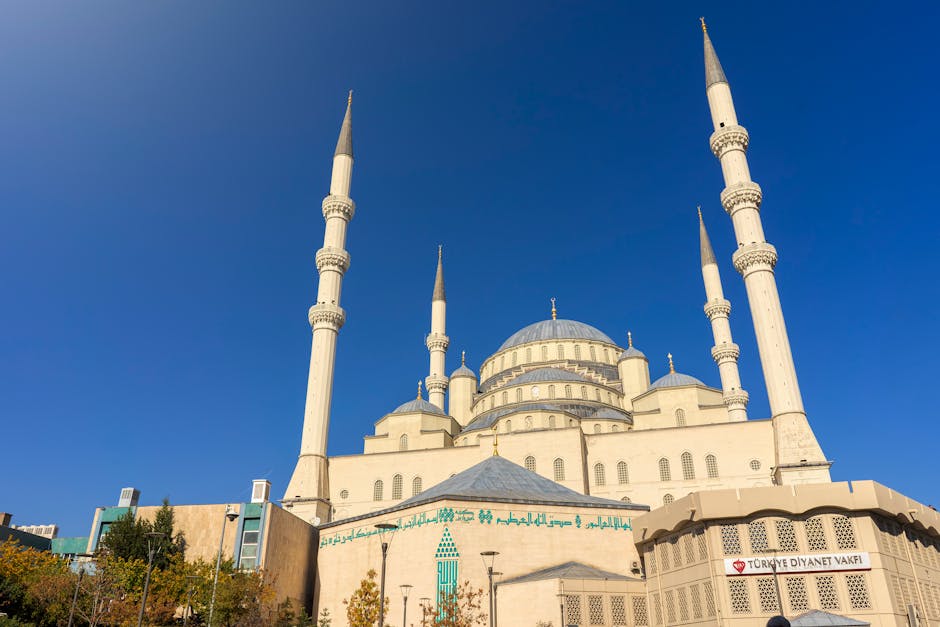
- Kocatepe Mosque: One of the largest mosques in Turkey, with a striking Ottoman-style design.
n
n
n
n
Ankara is less touristy than Istanbul but offers a more authentic urban experience. It’s well-connected by high-speed train from Istanbul (about 4.5 hours).
nn
Essential Travel Tips for Turkey
n
To ensure a smooth trip, keep these practical tips in mind:
nn
Best Time to Visit
n
Turkey has a varied climate, so timing depends on your destination:
n
- n
- Spring (April–June): Mild weather, blooming landscapes, and fewer crowds. Ideal for Istanbul, Cappadocia, and Ephesus.
- Summer (July–August): Hot and busy, especially on the coast. Perfect for beach destinations like Antalya and Bodrum.
- Autumn (September–October): Warm days, cooler nights, and harvest festivals. Great for cultural and coastal trips.
- Winter (November–March): Cold in the interior, with snow in Cappadocia and Ankara. Coastal areas remain mild but quieter.
n
n
n
n
n
Peak tourist season is June to August. Book accommodations and major tours in advance during this period.
nn
Visa and Entry Requirements
n
Most travelers need an e-Visa to enter Turkey. Citizens of the U.S., UK, Canada, Australia, and EU countries can apply online at www.evisa.gov.tr. The process is quick, usually approved within minutes, and costs around $50. Visas are valid for 180 days with a 90-day stay.
n
Ensure your passport is valid for at least six months beyond your entry date. Border officials may ask for proof of return tickets and accommodation.
nn
Currency and Payments
n
The official currency is the Turkish Lira (TRY). While major cities and tourist areas accept credit cards, cash is preferred in rural regions, small shops, and markets.
n
ATMs are widely available. Inform your bank of travel plans to avoid card blocks. Avoid exchanging money at airports; use local banks or authorized exchange offices for better rates.
nn
Transportation
n
Turkey has a reliable and affordable transportation network:
n
- n
- Domestic Flights: Turkish Airlines and Pegasus offer frequent flights between major cities. Book early for lower fares.
- High-Speed Trains: Connect Istanbul, Ankara, Konya, and Eskişehir. Comfortable and scenic.
- Buses: Long-distance buses are extensive, comfortable, and budget-friendly. Companies like Metro and Kamil Koç are reputable.
- Car Rentals: Useful for exploring rural areas, but driving in cities can be chaotic. International driving permit recommended.
- Public Transit: Istanbul and Ankara have efficient metro, tram, and bus systems. Istanbulkart offers discounted fares.
n
n
n
n
n
nn
Language and Communication
n
Turkish is the official language. While English is spoken in tourist areas, learning a few basic phrases enhances your experience:
n
- n
- Merhaba – Hello
- Teşekkür ederim – Thank you
- Lütfen – Please
- Ne kadar? – How much?
n
n
n
n
n
Download offline translation apps like Google Translate. Free Wi-Fi is common in hotels, cafes, and public spaces.
nn
Cultural Etiquette
n
Turkey is a predominantly Muslim country with a secular government. Respect local customs:
n
- n
- Dress modestly when visiting mosques (cover shoulders and knees; women should carry a scarf).
- Remove shoes before entering homes and some shops.
- Avoid public displays of affection in conservative areas.
- Accept offers of tea or coffee—it’s a sign of hospitality.
n
n
n
n
n
Tipping is customary: 10% in restaurants, small change for porters and restroom attendants.
nn
Food and Drink
n
Turkish cuisine is diverse and flavorful. Must-try dishes include:
n
- n
- Kebabs: Doner, Adana, and shish kebabs are staples.
- Baklava: Sweet pastry with nuts and syrup.
- Meze: Small appetizers like hummus, eggplant salad, and stuffed grape leaves.
- Turkish Tea and Coffee: Served strong and often complimentary.
- Gözleme: Savory flatbread filled with cheese, spinach, or meat.
n
n
n
n
n
n
Tap water is generally safe in cities but bottled water is recommended in rural areas. Alcohol is available in restaurants and bars, though less common in conservative regions.
nn
Safety and Health
n
Turkey is considered safe for tourists. Petty crime like pickpocketing occurs in crowded areas, so stay alert in markets and public transport. Avoid political demonstrations.
n
Check your government’s travel advisories before departure. Ensure you have travel insurance covering medical expenses and trip cancellations.
n
Pharmacies (eczane) are widespread and well-stocked. Carry a basic first-aid kit and any prescription medications.
nn
Compact Destination Comparison
n
Use this table to compare top destinations based on key factors:
nn
| Destination | Best For | Ideal Season | Average Daily Cost (USD) | Travel Tip |
|---|---|---|---|---|
| Istanbul | History, culture, shopping | April–June, Sept–Oct | 70–100 | Use Istanbulkart for public transport discounts |
| Cappadocia | Hot air balloons, hiking, caves | April–Oct | 60–90 | Book balloon rides 2–3 months in advance |
| Pamukkale | Thermal pools, ancient ruins | Mar–May, Sept–Nov | 50–80 | Visit early morning to avoid crowds |
| Ephesus | Roman history, archaeology | Apr–Jun, Sept–Oct | 40–70 | Hire a guide for deeper insight |
| Antalya | Beaches, yachting, nightlife | May–Oct | 80–120 | Stay in Kaleiçi for charm and convenience |
nn
Sample Itineraries
n
Not sure how to plan

