
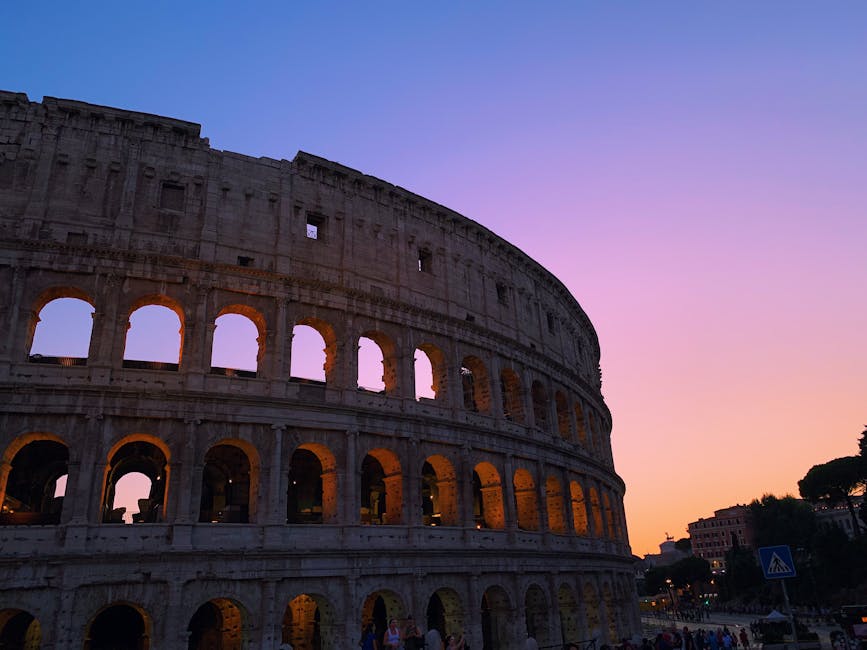
Rome Travel Guide: Best Places to Visit and Things to Do
Rome, the Eternal City, blends ancient history, Renaissance art, and modern Italian culture into one unforgettable destination. Whether you’re exploring millennia-old ruins, savoring world-class cuisine, or wandering cobbled streets lined with Baroque fountains, this Rome travel guide covers the best places to visit and things to do. From iconic landmarks like the Colosseum and Vatican City to hidden courtyards and authentic trattorias, you’ll find practical advice, must-see sights, and insider tips to make your trip seamless and memorable.
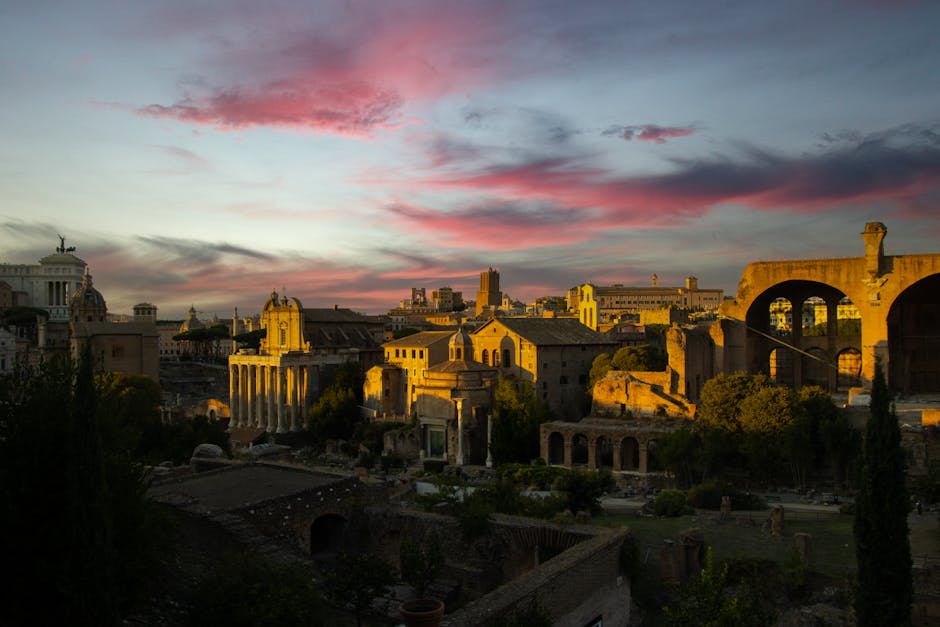
Top Attractions in Rome You Can’t Miss
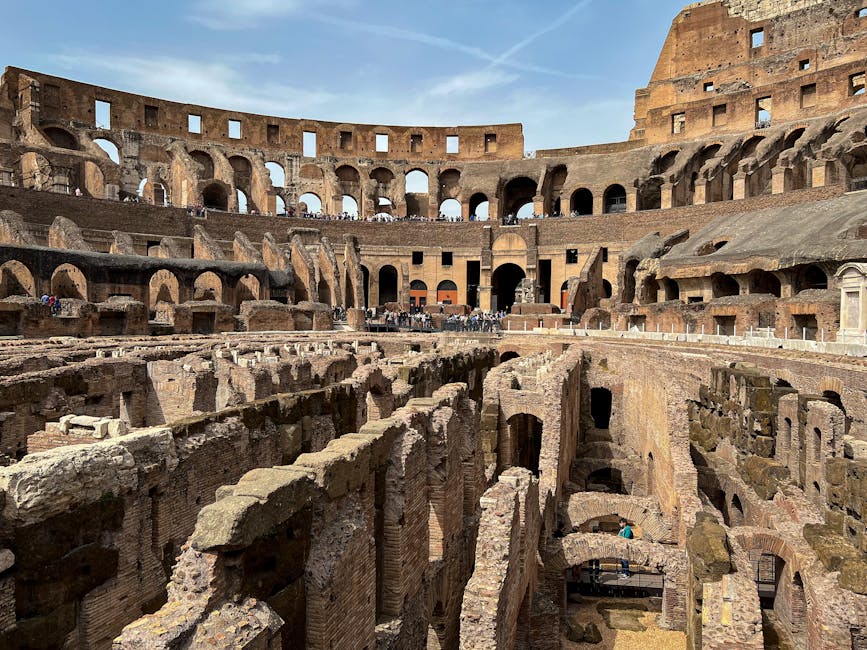
Rome’s historic center is a UNESCO World Heritage Site, packed with landmarks that span over 2,500 years of history. Start your journey at the Colosseum, the largest amphitheater ever built. Opened in 80 AD, it once hosted gladiatorial contests and public spectacles. Book a skip-the-line ticket or guided tour to avoid long queues and gain access to underground chambers and the upper tiers.
Just a short walk away, the Roman Forum offers a glimpse into ancient political and social life. Wander among the ruins of temples, basilicas, and government buildings while imagining the bustling heart of the Roman Empire. Combine your visit with the nearby Palatine Hill, where Rome’s legendary founders, Romulus and Remus, were said to have been raised.
No Rome travel guide would be complete without mentioning the Vatican City. As the world’s smallest independent state, it’s home to St. Peter’s Basilica, the Sistine Chapel, and the Vatican Museums. Arrive early or reserve a timed entry to avoid crowds. Climb the dome of St. Peter’s for panoramic views of the city and the Vatican Gardens.
The Pantheon, remarkably preserved since 126 AD, remains one of Rome’s architectural marvels. Its massive dome and oculus (open ceiling) are engineering feats still admired today. Entry is free, but lines can form quickly—visit mid-morning or late afternoon for a quieter experience.
Neighborhoods to Explore Beyond the Main Sites
While major attractions draw millions, Rome’s charm often lies in its neighborhoods. Trastevere, on the west bank of the Tiber River, is known for its narrow, winding streets, ivy-covered buildings, and lively piazzas. It’s a favorite among locals for evening aperitivo and authentic Roman dining. Try a plate of cacio e pepe at a family-run trattoria like Da Enzo al 29.
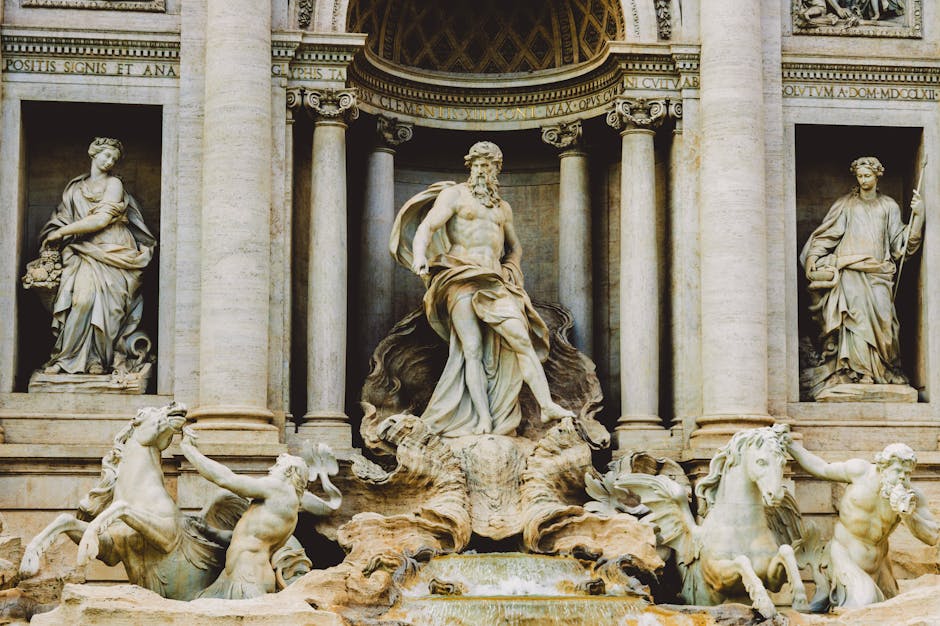
Monti, nestled between the Colosseum and Via Nazionale, blends bohemian vibes with ancient roots. Once a working-class district, it’s now filled with indie boutiques, vintage shops, and cozy cafés. Visit the Basilica di San Clemente, a layered church built atop a 4th-century basilica and a 1st-century Roman house.
For a quieter, artsy atmosphere, head to Testaccio. This former industrial zone is now a foodie hotspot, home to the Mercato di Testaccio and the famed Trapizzino shop, where you can try stuffed pizza pockets. It’s also near the Non-Catholic Cemetery, where poets John Keats and Percy Bysshe Shelley are buried.
Prati, near Vatican City, offers a more residential feel with wide boulevards, elegant apartments, and high-end shopping. It’s ideal for travelers seeking comfort and convenience without sacrificing access to major sights.
Best Things to Do in Rome Beyond Sightseeing
Rome isn’t just about ancient ruins—there’s plenty to do for culture, food, and relaxation. Take a cooking class to learn how to make fresh pasta, tiramisu, or Roman-style artichokes. Many classes include a market tour, giving you insight into local ingredients and traditions.
Stroll through Villa Borghese, Rome’s largest public park. Rent a rowboat on the lake, visit the Galleria Borghese (home to Bernini sculptures and Caravaggio paintings), or simply relax under centuries-old trees. Entry to the gallery requires advance booking.
For a unique perspective, take a sunset walk along the Janiculum Hill. This lesser-known viewpoint offers sweeping views of St. Peter’s dome and the city skyline, often without the crowds of other scenic spots.
Attend an opera or classical concert at venues like the Teatro dell’Opera di Roma or smaller churches that host evening performances. Many events are held in historic settings, adding to the ambiance.
Where to Eat: Authentic Roman Cuisine
Roman food is simple, seasonal, and deeply flavorful. Start with supplì—fried rice balls stuffed with mozzarella—best enjoyed as a street snack. For pasta, order carbonara (eggs, pecorino, guanciale, and pepper), amatriciana (tomato, guanciale, and chili), or gricia (guanciale and pecorino), all rooted in Roman tradition.
Don’t miss artichokes, especially in spring. Carciofi alla romana (stuffed and braised) and carciofi alla giudia (deep-fried) are local specialties. Try them at restaurants like Armando al Pantheon or Baffetto 2.
For dessert, indulge in tiramisu or maritozzo con la panna—a sweet cream-filled bun that’s become a modern Roman favorite. Pair it with an espresso at a traditional café like Caffè Greco near the Spanish Steps.
Avoid restaurants with menus in multiple languages and pictures of the food—these are often tourist traps. Instead, look for places filled with locals, especially during lunch hours.
Getting Around Rome: Transportation Tips
Rome’s historic center is best explored on foot. Most major attractions are within walking distance of each other, and wandering allows you to discover hidden piazzas, fountains, and street art. Wear comfortable shoes—cobblestones and uneven pavement are common.
For longer distances, use the public transportation system, which includes buses, trams, and a metro line. The metro has three lines (A, B, and C), with Line A connecting key stops like Termini Station, the Vatican, and the Spanish Steps. Buy a B.I.G. ticket (Biglietto Integrato Giornaliero) for unlimited travel for 24 hours (€7), or a 7-day pass for €24.
Avoid driving in the city center. Traffic is heavy, parking is expensive, and many zones are restricted to residents. Taxis are available but can be costly; use apps like FreeNow or ItTaxi for reliable service.
Bike rentals and e-scooters are popular, but be cautious—Rome’s streets are not always cyclist-friendly. Stick to designated lanes and avoid busy intersections.
When to Visit Rome: Seasons and Crowds
The best time to visit Rome is during spring (April to June) and fall (September to October). Temperatures are mild, crowds are manageable, and the light is ideal for photography. April and May are especially beautiful, with blooming flowers and outdoor cafés in full swing.
Summer (July and August) brings heatwaves and peak tourism. Expect long lines, crowded sites, and higher prices. If you visit during this time, start your days early, stay hydrated, and take midday breaks in air-conditioned museums or shaded parks.
Winter (November to March) is the quietest season, with fewer tourists and lower accommodation rates. While some outdoor sites may feel chilly, it’s a great time to enjoy indoor attractions like museums and churches. December is festive, with Christmas markets and lights, but many shops close for the holidays.
Practical Tips for a Smooth Trip
Dress appropriately for churches: Shoulders and knees must be covered when visiting religious sites. Carry a light scarf or shawl if needed.
Stay hydrated: Rome has hundreds of public drinking fountains, known as nasoni. Fill your water bottle at any of these free sources—especially useful in summer.
Beware of pickpockets: Crowded areas like the Colosseum, Vatican, and public transport are hotspots. Keep your bag zipped and valuables secure.
Book in advance: Popular attractions like the Colosseum, Vatican Museums, and Galleria Borghese require timed entry. Reserve online to avoid disappointment.
Learn a few Italian phrases: While many Romans speak English, a simple “grazie” (thank you) or “permesso” (excuse me) goes a long way.
Compact Comparison: Top Rome Attractions at a Glance
| Attraction | Best Time to Visit | Entry Fee (Approx.) | Tip |
|---|---|---|---|
| Colosseum | Early morning or late afternoon | €24 (with Roman Forum & Palatine Hill) | Book a guided tour for underground access |
| Vatican Museums & Sistine Chapel | Monday–Saturday, 8 AM–6 PM | €27 (online booking) | Avoid Wednesdays during papal audiences |
| Pantheon | Anytime (free entry) | Free | Visit mid-morning to avoid crowds |
| Galleria Borghese | Timed entry only | €20 | Reserve tickets at least 2 weeks ahead |
Final Thoughts on Your Rome Travel Guide
Rome rewards curiosity and patience. While it’s easy to fill your itinerary with famous landmarks, the city’s true magic lies in its quiet moments—sipping espresso at a corner café, watching locals chat in a piazza, or discovering a fresco in a forgotten chapel. Use this Rome travel guide to plan efficiently, but leave room for spontaneity. Whether you’re here for a weekend or a week, Rome offers a rich blend of history, art, and everyday Italian life that lingers long after you’ve returned home.
Frequently Asked Questions
What is the best way to avoid crowds at major attractions?
Arrive early in the morning (right at opening) or visit during the last entry slot. Booking skip-the-line or timed-entry tickets in advance is essential for sites like the Colosseum and Vatican Museums.
Is Rome walkable for tourists?
Yes, the historic center is compact and pedestrian-friendly. Most major sights are within a 30-minute walk of each other. Wear comfortable shoes and carry a map or use a GPS app.
Do I need to tip in restaurants?
Tipping is not mandatory in Italy. A service charge (coperto) is often included. If service is exceptional, rounding up the bill or leaving €1–2 is appreciated but not expected.

