
Hidden Gems in Istanbul Most Tourists Still Don’t Know
Hidden Gems in Istanbul Most Tourists Still Don’t Know
If you’re planning a trip to Istanbul, chances are you’ve already bookmarked the Blue Mosque, Hagia Sophia, and the Grand Bazaar. But beyond these well-trodden landmarks lies a network of lesser-known neighborhoods, quiet courtyards, and cultural corners that offer a more authentic, unhurried experience of the city. These hidden gems in Istanbul most tourists still don’t know provide a refreshing contrast to the crowds, with rich histories, local flavors, and unique atmospheres that reveal the soul of this ancient metropolis. Whether you’re a first-time visitor or a returning traveler seeking depth over checklist tourism, these spots promise discovery without the hype.
Why Seek Out Istanbul’s Hidden Gems?
Istanbul is a city of layers—Byzantine, Ottoman, modern Turkish—and its most compelling stories aren’t always told in guidebooks. While iconic sites draw millions, quieter corners often hold deeper cultural resonance. Exploring off-the-beaten-path locations allows you to experience daily life as locals do: sipping tea in a neighborhood çay bahçesi, wandering through artisan workshops, or discovering a centuries-old fountain tucked behind a residential street. These experiences foster connection, reduce tourist fatigue, and often come with fewer crowds and lower prices. Plus, many of these spots are accessible by public transit or a short walk from major hubs, making them practical additions to any itinerary.
Neighborhoods Off the Beaten Path
Instead of spending another afternoon in Sultanahmet, consider venturing into residential districts where life unfolds at a slower pace. These neighborhoods offer a glimpse into Istanbul’s evolving identity, blending tradition with contemporary creativity.
Fener and Balat: Colorful Streets and Community Spirit
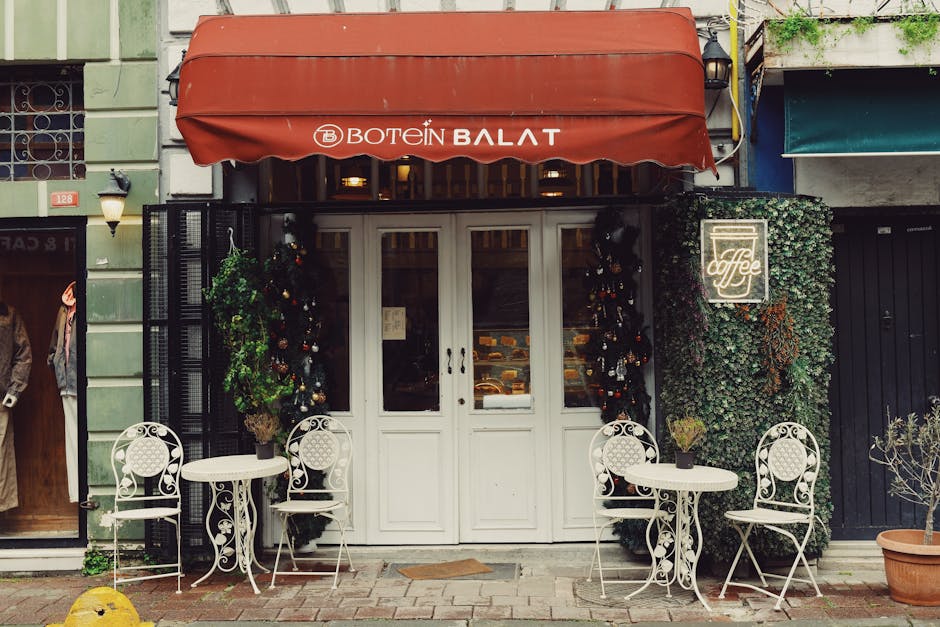
Nestled along the Golden Horn, Fener and Balat are two adjacent neighborhoods known for their rainbow-colored houses, narrow cobbled lanes, and strong sense of community. Once home to Greek Orthodox and Jewish communities, these areas are now hubs for artists, antique dealers, and boutique cafes. Visit the Church of St. George (Fener Greek Orthodox Patriarchate) or explore the Balat Antique Market for unique finds. The area is especially photogenic at golden hour, when sunlight filters through the colorful facades. Be respectful when photographing residents—many still live in these homes and value their privacy.
Kuzguncuk: A Riverside Village Within the City
On the Asian side, Kuzguncuk feels like a village frozen in time. With its tree-lined streets, pastel-colored wooden houses, and quiet waterfront, it’s a peaceful retreat from the city’s energy. The neighborhood has a multicultural past, reflected in its restored synagogue, mosque, and church standing within blocks of each other. Stop by Kuzguncuk Sahil for a stroll along the Bosphorus, or enjoy a meal at one of the cozy seaside restaurants. It’s a 10-minute walk from Üsküdar, making it easy to include in an Asian-side day trip.
Çukurcuma: Antiques and Bohemian Vibes
Tucked behind Istiklal Street in Beyoğlu, Çukurcuma is a haven for vintage lovers and design enthusiasts. This hilly neighborhood is packed with antique shops, retro furniture stores, and independent galleries. The Çukurcuma Hamam, a restored 18th-century bathhouse now used as a cultural space, hosts art exhibitions and performances. It’s also home to some of the city’s best specialty coffee shops, like Kronotrop, where you can sample single-origin brews in a relaxed setting. Come on a weekday morning to avoid weekend crowds.
Quiet Cultural Spaces and Historic Courtyards
Istanbul’s architectural heritage extends beyond grand mosques and palaces. Smaller religious and civic buildings often feature serene courtyards, hidden fountains, and intricate tilework that reward closer inspection.
Şehzade Mosque Complex: A Masterpiece of Ottoman Design
While not entirely unknown, Şehzade Mosque (built in the 1540s by Mimar Sinan) sees far fewer visitors than its more famous counterparts. Located near the main road between Sultanahmet and Eminönü, it’s often passed by unnoticed. The mosque’s courtyard, with its symmetrical layout and elegant arcade, offers a moment of calm. Inside, the tilework is stunning but understated—featuring floral motifs in soft blues and greens. The adjacent türbe (tomb) of Prince Mehmed is equally worth a look. Visit early morning or late afternoon for soft light and fewer people.
Rüstem Paşa Mosque: Tilework in a Hidden Courtyard
Technically in the Spice Bazaar area, Rüstem Paşa Mosque is often overshadowed by its neighbor, the New Mosque. But its interior is one of the finest examples of Iznik tilework in the city, with intricate floral patterns covering nearly every surface. What makes it a hidden gem is its location—set back from the street and accessed through a small courtyard, it feels like a secret. The mosque is still active, so dress modestly and keep noise to a minimum. It’s open daily except during prayer times.
Zeyrek Mosque (Former Pantokrator Monastery)
Part of a Byzantine monastic complex, Zeyrek Mosque is a fascinating blend of Christian and Islamic architecture. The building consists of three interconnected churches converted into a mosque after the Ottoman conquest. The interior is dimly lit, with high domes and ancient columns, creating an atmospheric space that feels far removed from the bustle outside. It’s located on a steep hill, so wear comfortable shoes. The surrounding streets are quiet and residential, offering great views over the Golden Horn.
Local Eateries and Markets Beyond the Tourist Trail
Food is central to Istanbul’s culture, and while kebabs and baklava are must-tries, the real culinary adventure lies in neighborhood eateries and specialty shops.
Kavak Kebap Salonu: A Family-Run Favorite
In the working-class district of Fatih, Kavak Kebap Salonu has been serving slow-cooked lamb and beef dishes since 1963. Locals line up for their testi kebabı (clay pot kebab), which arrives wrapped in bread and cracked open at the table. The atmosphere is no-frills and authentic—no English menus, but the staff is friendly and patient with non-Turkish speakers. It’s a 15-minute walk from the Süleymaniye Mosque, making it a great lunch stop after sightseeing.
Kadıköy Market: Istanbul’s Lively Food Bazaar
While the Grand Bazaar draws crowds, Kadıköy Market on the Asian side offers a more local experience. This sprawling indoor market features fresh produce, spices, cheeses, and street food stalls. Try balık ekmek (grilled fish sandwiches) from the vendors along the waterfront, or sample lahmacun (Turkish pizza) from a tiny oven-fired stall. The market is busiest on weekends, but weekdays offer a more relaxed pace. Don’t miss the cheese shops—Turkey produces over 200 varieties, and many are sold here by the kilo.
Mandabatmaz: The Best Turkish Coffee in Beyoğlu
Tucked down a narrow alley near Istiklal Street, Mandabatmaz is a tiny coffee shop that has been roasting and brewing since 1936. Their Turkish coffee is thick, aromatic, and served with a glass of water and a small sweet. The interior is minimalist—just a few stools and a vintage espresso machine—but the quality is unmatched. It’s a favorite among locals and coffee connoisseurs, and rarely crowded. Arrive before 10 a.m. for the freshest brew.
Parks and Green Spaces for Quiet Reflection
Istanbul isn’t short on green space, but some parks are overlooked in favor of more famous ones like Gülhane or Yıldız.
Fethi Paşa Korusu: A Hilltop Oasis
Perched on a hill on the Asian side, Fethi Paşa Korusu offers panoramic views of the Bosphorus and the Old City. The park is dotted with walking paths, picnic areas, and a small café. It’s a popular spot for locals to relax after work or on weekends, but rarely busy with tourists. The entrance is near the Fethi Paşa Mosque, and the walk up is steep but manageable. Bring water and wear sunscreen—shade is limited.
Emirgan Park: Seasonal Beauty and Lakeside Strolls
While Emirgan Park is known for its tulip festival in spring, it’s often quiet the rest of the year. The park features three lakes, rose gardens, and shaded walking paths. It’s a great place for a picnic or a slow walk, especially in autumn when the foliage turns golden. The park is accessible by bus or a short taxi ride from the city center. Avoid weekends in April and May, when it can get crowded.
Day Trips and Nearby Escapes
Some of Istanbul’s best-kept secrets lie just outside the city center, accessible by ferry or short train ride.
Princes’ Islands: Car-Free Sanctuaries
The Princes’ Islands (Adalar) are a group of nine car-free islands in the Sea of Marmara. Büyükada, the largest, is the most visited, but even there, you can escape the crowds by renting a bike and exploring the forested interior. Heybeliada, the second-largest, has a quieter vibe and is home to the historic Greek Orthodox Seminary. Ferries depart regularly from Kabataş and Bostancı. Pack a picnic, wear comfortable shoes, and bring a jacket—sea breezes can be cool even in summer.
Anadolu Kavağı: A Coastal Village with a View
At the northern tip of the Bosphorus, Anadolu Kavağı is a small fishing village with a dramatic fortress and views of the Black Sea. It’s a popular day trip for locals, especially in summer, when families come for seafood and sea air. The village is accessible by ferry from Eminönü (about 1.5 hours each way). Climb up to the Yoros Castle ruins for sweeping views, but be cautious—paths can be uneven and unmarked.
Tips for Finding Your Own Hidden Gems
Exploring Istanbul beyond the guidebooks requires a bit of curiosity and flexibility. Here are a few strategies to help you discover your own hidden gems:
- Talk to locals: Strike up a conversation at a café or market. Many Istanbulites are proud of their city and happy to share recommendations.
- Use public transit: Buses, ferries, and the metro can take you to neighborhoods that aren’t on tourist maps.
- Visit off-peak hours: Early mornings and weekdays are ideal for quieter experiences, even in popular areas.
- Follow local blogs and Instagram accounts: Turkish travel writers and photographers often spotlight under-the-radar spots.
- Be open to spontaneity: Some of the best discoveries happen when you take a wrong turn or follow an interesting scent or sound.
Compact Comparison: Hidden Gems vs. Main Attractions
| Aspect | Hidden Gems | Main Attractions |
|---|---|---|
| Crowd Level | Low to moderate | High, especially midday |
| Entry Fee | Often free or low-cost | Frequently paid (€10–€25) | Cultural Authenticity | High—reflects daily life | Curated for tourists |
| Accessibility | May require walking or local transit | Easily reached by tram or taxi |
| Best Time to Visit | Weekday mornings | Early morning or late afternoon |
Final Thoughts
Istanbul’s true charm lies not just in its grand monuments, but in the quiet corners where history, culture, and everyday life intersect. The hidden gems in Istanbul most tourists still don’t know offer a deeper, more personal connection to the city—one that lingers long after the photos are uploaded. By stepping off the main path, you’ll find a side of Istanbul that feels alive, authentic, and uniquely yours. Whether it’s a tile-adorned mosque, a neighborhood market, or a hilltop park, these places invite you to slow down, look closer, and truly see the city.
FAQ
Are these hidden gems safe for solo travelers?
Yes, the neighborhoods and sites mentioned are generally safe for solo travelers, including women. As with any city, stay aware of your surroundings, avoid poorly lit areas at night, and keep valuables secure. Most locals are helpful and respectful.
Do I need to speak Turkish to visit these places?
Not necessarily. While English is widely spoken in tourist areas, it’s less common in residential neighborhoods. Learning a few basic Turkish phrases (like “teşekkür ederim” for thank you) can go a long way. Google Translate works well offline for menus and signs.
Can I visit all these spots in one trip?
It’s possible, but not recommended. Istanbul is large, and rushing between distant neighborhoods can be tiring. Focus on 2–3 areas per day, grouping nearby sites. For example, combine Fener, Balat, and the Golden Horn on one day, and save the Asian side for another.

