
Top Tourist Attractions in Tokyo You Must Visit in 2026
Tokyo remains one of the world’s most captivating destinations, blending ancient traditions with cutting-edge innovation. If you’re planning a trip in 2026, knowing the top tourist attractions in Tokyo you must visit is essential for making the most of your time in Japan’s bustling capital. From serene temples and historic districts to futuristic skyscrapers and world-class shopping, Tokyo offers unforgettable experiences for every kind of traveler. This guide highlights the must-see sights, provides practical visiting tips, and helps you navigate the city efficiently—whether you’re a first-time visitor or returning for another adventure.
Why Visit Tokyo in 2026?
2026 presents a unique moment to explore Tokyo. With ongoing infrastructure improvements following the 2020 Olympics and the continued rollout of digital tourism services, the city is more accessible and visitor-friendly than ever. Enhanced multilingual signage, expanded public transit options, and new cultural experiences make it an ideal time to discover or rediscover Tokyo. Additionally, post-pandemic travel patterns have led to more balanced tourist flows throughout the year, reducing peak-season crowding at major sites.
Whether you’re drawn to history, food, technology, or nature, Tokyo delivers. The city’s efficient transportation system, safety, and cleanliness further enhance its appeal. With events like cherry blossom season, autumn festivals, and year-round culinary festivals, 2026 offers ample opportunities to experience Tokyo at its best.
Sacred Spaces and Historic Landmarks
Meiji Shrine: A Spiritual Retreat in Shibuya
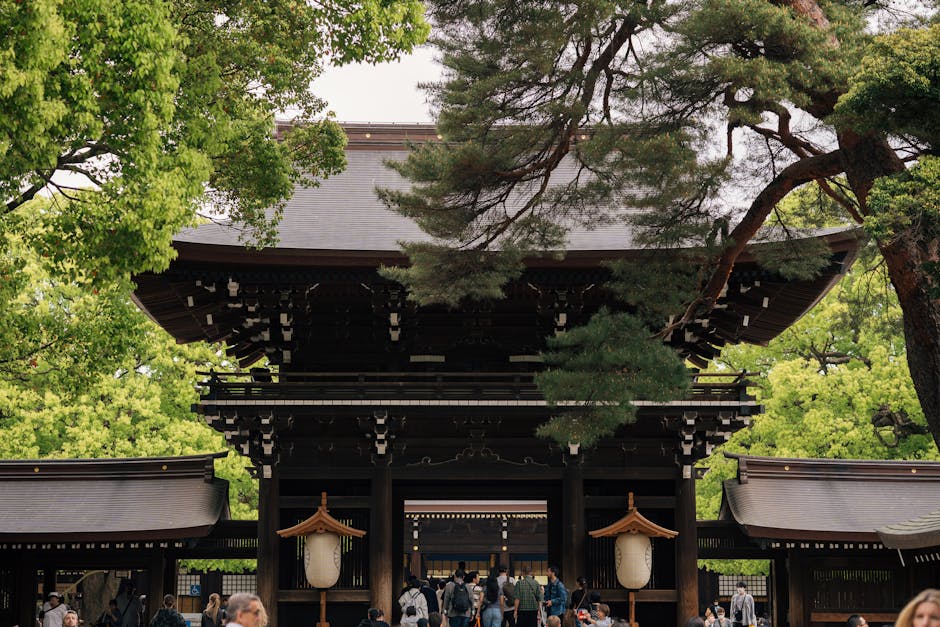
Nestled within a lush forest near bustling Harajuku and Shibuya, Meiji Shrine (Meiji Jingu) is one of Tokyo’s most revered Shinto shrines. Dedicated to Emperor Meiji and Empress Shoken, the shrine offers a peaceful escape from the city’s energy. Visitors can walk through towering torii gates, participate in traditional rituals, or write wishes on wooden ema plaques.
The shrine grounds cover 175 acres and include a treasure museum, a sake and wine barrel display, and seasonal gardens. Arrive early in the morning to enjoy quiet reflection before the crowds gather. Note that photography is restricted in certain areas, especially during ceremonies.
Senso-ji Temple: Tokyo’s Oldest Buddhist Temple
Located in Asakusa, Senso-ji is Tokyo’s oldest and most famous Buddhist temple, dating back to the 7th century. The vibrant Kaminarimon (Thunder Gate) with its massive red lantern marks the entrance, leading to Nakamise-dori—a historic shopping street lined with stalls selling traditional snacks, crafts, and souvenirs.
Inside the temple complex, visitors can purify themselves at the chozuya (water pavilion), offer prayers at the main hall, and purchase omamori (protective amulets). The temple is especially lively during festivals like Sanja Matsuri and Hozuki Market. Visit during weekdays or early mornings to avoid peak tourist hours.
Imperial Palace: The Heart of Old Edo
The Imperial Palace, situated on the grounds of the former Edo Castle, serves as the primary residence of Japan’s Emperor. While the inner palace is not open to the public, the East Gardens are accessible year-round and offer a glimpse into Japan’s feudal history.
Visitors can explore moats, stone walls, and reconstructed gates, including the Ninomaru Garden. Free guided tours of the outer palace grounds are available in English and Japanese, but advance booking is required. The palace’s location in central Tokyo makes it a convenient stop between Marunouchi and Ginza.
Modern Marvels and Urban Experiences
Tokyo Skytree: A Sky-High Perspective
Standing at 634 meters, Tokyo Skytree is the tallest structure in Japan and one of the tallest towers in the world. It features two observation decks—Tembo Deck at 350 meters and Tembo Galleria at 450 meters—offering panoramic views of the city, Mount Fuji on clear days, and even neighboring prefectures.
The tower also houses a shopping complex (Tokyo Solamachi), restaurants, and an aquarium. To avoid long queues, purchase timed-entry tickets online in advance. Night visits offer stunning city lights, but visibility can be affected by weather. The tower is easily accessible via the Tobu Skytree Line and Tokyo Metro Hanzomon Line.
Shibuya Crossing: The Pulse of Tokyo
Shibuya Crossing is often described as the busiest pedestrian crossing in the world. Up to 3,000 people cross at once during peak times, creating a mesmerizing flow of movement. The best views are from the Shibuya Sky observation deck, Starbucks on the 2nd floor of the QFRONT building, or the Shibuya Scramble Square rooftop.
The surrounding area is a hub for fashion, nightlife, and youth culture. Visit Hachiko Statue nearby, a tribute to the loyal dog, and explore Shibuya Parco for art exhibitions and designer boutiques. Be mindful of pickpockets in crowded areas and avoid blocking pedestrian flow.
Roppongi Hills and Mori Art Museum
Roppongi Hills is a modern urban complex combining offices, residences, shops, and cultural spaces. At its center stands the Mori Tower, home to the Mori Art Museum, which showcases contemporary Japanese and international art.
The Tokyo City View observation deck on the 52nd floor provides 360-degree views, especially striking at sunset. The complex also features the Mori Garden, a traditional Japanese garden, and seasonal events like winter illuminations. Roppongi is well-connected by subway and is a short walk from Roppongi Station.
Cultural and Themed Destinations
Harajuku: Fashion and Youth Culture
Harajuku is synonymous with bold fashion, quirky street style, and creative expression. Takeshita Street is the epicenter, packed with crepe shops, candy stores, and boutiques selling avant-garde clothing. Nearby, Omotesando offers a more refined shopping experience with tree-lined avenues and high-end brands.
For a deeper cultural experience, visit the Meiji Jingu Inner Garden or the Nezu Museum, which features pre-modern Japanese art and a serene garden. Harajuku is easily reached via the JR Yamanote Line or Tokyo Metro Chiyoda Line.
Odaiba: Futuristic Island Getaway
Odaiba is a man-made island in Tokyo Bay, known for its futuristic architecture, shopping malls, and entertainment venues. Key attractions include the life-sized Unicorn Gundam statue, teamLab Borderless (a digital art museum), and the Daikanransha Ferris wheel.
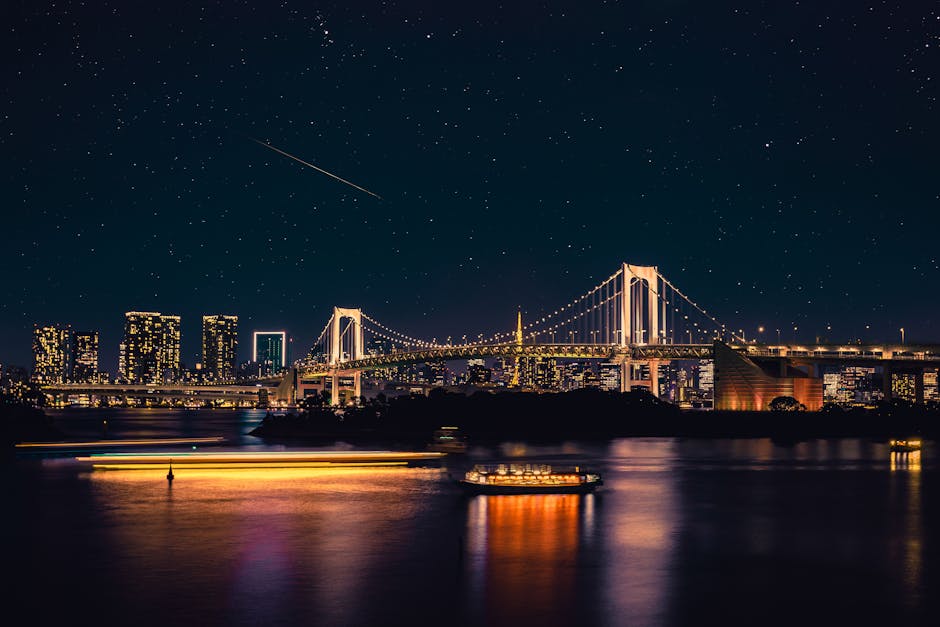
The area is accessible via the Yurikamome Line or the Rinkai Line. Visit at night for illuminated landmarks and views of the Rainbow Bridge. Odaiba also features beaches, parks, and the Miraikan science museum, making it ideal for families.
Ueno Park: Culture and Nature Combined
Ueno Park is Tokyo’s largest public park and a cultural hub. It houses several major museums, including the Tokyo National Museum, Ueno Zoo, and the National Museum of Western Art. During cherry blossom season (late March to early April), the park transforms into a hanami hotspot.
The park also features temples, ponds, and open spaces for relaxation. Nearby Ameya-Yokocho Market offers street food and bargain shopping. Ueno Station provides access to multiple subway and JR lines, making it a convenient base for exploration.
Culinary Hotspots and Food Experiences
Tsukiji Outer Market: A Seafood Lover’s Paradise
Although the inner wholesale market has moved to Toyosu, the Tsukiji Outer Market remains a must-visit for food enthusiasts. It’s a lively area filled with stalls and small restaurants serving fresh sushi, grilled seafood, tamagoyaki (Japanese omelet), and street snacks.
Arrive early to avoid crowds and secure a seat at popular sushi counters. Many vendors open around 5 a.m., and some close by midday. Cash is preferred, and English menus may be limited. The market is a short walk from Tsukiji Station on the Hibiya Line.
Izakaya and Ramen Alleys
Tokyo’s dining scene is vast and varied. For a traditional experience, visit an izakaya—a Japanese pub offering small plates, sake, and beer. Golden Gai in Shinjuku, a cluster of tiny bars, offers a unique nightlife atmosphere.
Ramen lovers should explore ramen alleys like those in Ikebukuro or Shinjuku, where multiple shops compete with regional styles—tonkotsu, shoyu, miso, and shio. Try Ichiran for a solo dining booth experience or Ippudo for rich tonkotsu broth.
Day Trips and Nearby Attractions
Nikko: UNESCO World Heritage Site
A day trip from Tokyo, Nikko is home to the lavishly decorated Toshogu Shrine, a UNESCO World Heritage Site. The shrine complex features intricate carvings, golden accents, and the famous “See No Evil, Hear No Evil, Speak No Evil” monkeys.
The surrounding area includes Kegon Falls, Lake Chuzenji, and hiking trails in Nikko National Park. The journey from Tokyo takes about two hours by train. Purchase a round-trip Tobu Nikko Pass for convenience and savings.
Kamakura: The Great Buddha and Coastal Temples
Kamakura, about an hour from Tokyo by train, is known for its historic temples and the Great Buddha (Daibutsu) at Kotoku-in Temple. The statue, cast in bronze and dating to 1252, stands 13 meters tall and is one of Japan’s most iconic images.
Explore Hasedera Temple for ocean views, Engaku-ji for Zen gardens, and Komachi Street for local snacks and souvenirs. Kamakura is ideal for a half-day or full-day trip, especially during autumn foliage or spring blooms.
Hakone: Hot Springs and Mt. Fuji Views
Hakone offers a relaxing escape with hot springs (onsen), volcanic landscapes, and views of Mount Fuji. The Hakone Loop includes a cruise on Lake Ashi, a ride on the Hakone Ropeway, and visits to the Open-Air Museum.
Stay in a ryokan (traditional inn) with kaiseki meals and private onsen. The Romancecar train from Shinjuku provides direct access. Visibility of Mount Fuji depends on weather and season—early mornings in winter offer the clearest views.
Practical Tips for Visiting Tokyo in 2026
- Transportation: Get a Suica or Pasmo IC card for seamless travel on trains, buses, and subways. Consider a Tokyo Wide Pass for unlimited travel on JR lines, including to Nikko and Hakone.
- Language: While English is spoken in tourist areas, learning basic Japanese phrases enhances interactions. Translation apps can help with menus and signs.
- Etiquette: Follow local customs—bow when greeting, remove shoes indoors, and avoid eating while walking. Be quiet on public transport.
- Money: Cash is still widely used, especially at small restaurants and markets. ATMs at 7-Eleven (Seven Bank) accept foreign cards.
- Connectivity: Rent a pocket Wi-Fi or purchase a SIM card at the airport for reliable internet access.
- Weather: Pack layers. Summers are hot and humid; winters are mild but can be chilly. Umbrellas are useful year-round.
Comparison of Major Tokyo Attractions
| Attraction | Best For | Ideal Visit Time | Entry Fee (Approx.) | Accessibility |
|---|---|---|---|---|
| Meiji Shrine | Culture, Nature | Morning (8–10 AM) | Free | JR Harajuku Station |
| Senso-ji Temple | History, Shopping | Weekday mornings | Free | Tokyo Metro Asakusa |
| Tokyo Skytree | Views, Shopping | Evening for lights | ¥3,100 (Tembo Deck) | Tobu Skytree Line |
| Shibuya Crossing | Urban Experience | Peak hours (5–7 PM) | Free | JR Shibuya Station |
| Ueno Park | Museums, Nature | Spring (cherry blossoms) | Free (park); museums vary | JR Ueno Station |
Final Thoughts on Tokyo’s Must-Visit Attractions
Tokyo’s diversity is its greatest strength. Whether you’re marveling at ancient shrines, soaring above the city from a skyscraper, or savoring street food in a bustling market, the top tourist attractions in Tokyo you must visit in 2026 offer something for everyone. Planning ahead—booking tickets, understanding transit options, and respecting local customs—will ensure a smooth and enriching experience.
With its blend of tradition and innovation, Tokyo continues to evolve while honoring its roots. 2026 is an excellent year to explore this dynamic metropolis, where every district tells a different story. From serene gardens to neon-lit streets, your journey through Tokyo will be as unforgettable as it is effortless.
FAQ
What is the best time of year to visit Tokyo?
The best times to visit Tokyo are spring (March to May) for cherry blossoms and autumn (September to November) for mild weather and fall foliage. Summers are hot and humid, while winters are cool but less crowded.
Do I need to speak Japanese to get around Tokyo?
While not required, knowing basic Japanese phrases helps. Major stations and tourist sites have English signage, and translation apps are widely used. Staff at hotels and information centers often speak English.
Is Tokyo safe for tourists?
Yes, Tokyo is one of the safest cities in the world. Petty crime is rare, and public spaces are well-lit and monitored. However, remain aware of your belongings in crowded areas like trains and markets.

