
How to Travel Alone Safely: Solo Travel Tips Guide
How to Travel Alone Safely: Solo Travel Tips Guide
Traveling alone can be one of the most rewarding experiences—offering freedom, self-discovery, and unforgettable adventures. But safety should always come first. Whether you’re exploring a bustling city or hiking remote trails, knowing how to travel alone safely ensures your journey is both enjoyable and secure. This guide covers essential strategies, from pre-trip planning to real-time precautions, so you can travel solo with confidence and peace of mind.
Why Solo Travel Requires Extra Safety Planning
Unlike group travel, solo trips mean you’re responsible for every decision—from choosing accommodations to handling emergencies. Without a companion to share responsibilities or offer backup, small risks can escalate quickly. That’s why proactive safety planning isn’t optional—it’s essential. The good news? With the right mindset and preparation, solo travel can be as safe as it is liberating.
Pre-Trip Preparation: Laying the Foundation for Safe Solo Travel
Most safety issues arise not from bad luck, but from poor preparation. Start your journey on solid ground by taking these steps before you even pack your bags.
Research Your Destination Thoroughly
Not all destinations are equally safe for solo travelers. Research local customs, common scams, transportation options, and areas to avoid—especially at night. Government travel advisories (like those from the U.S. Department of State or UK Foreign Office) offer up-to-date safety insights. For example, while Tokyo is widely considered safe for solo female travelers, certain neighborhoods in major cities like Rio or Johannesburg may require extra caution.
Share Your Itinerary with Someone You Trust
Always leave a detailed copy of your travel plans with a family member or close friend. Include flight numbers, hotel addresses, local emergency contacts, and planned activities. Set check-in times—daily or every few days—so someone knows if you go silent unexpectedly.
Register with Your Embassy
Many countries offer free registration services for citizens traveling abroad. In the U.S., this is done through the Smart Traveler Enrollment Program (STEP). Registration helps your embassy contact you in case of emergencies, natural disasters, or civil unrest.
Pack Smart for Safety and Comfort
Your luggage should support both convenience and security. Bring a money belt or hidden pouch for cash and cards. Keep digital copies of your passport, visa, and travel insurance in cloud storage. Avoid flashy jewelry or expensive gear that draws attention. A compact doorstop alarm or portable charger can also be lifesavers in unfamiliar places.
Choosing Safe Accommodations as a Solo Traveler
Where you stay plays a big role in your overall safety. Prioritize security features and location over luxury or low cost.
Look for Hotels with 24/7 Front Desk and Secure Entry
Opt for accommodations with staffed lobbies, keycard access, and good lighting in hallways and parking areas. Hostels can be great for meeting people, but choose ones with private lockers, female-only dorms (if preferred), and strong reviews on safety.
Read Recent Reviews from Other Solo Travelers
Platforms like Booking.com or Hostelworld allow you to filter reviews by traveler type. Look for comments about noise levels, staff responsiveness, and neighborhood safety. A hotel might look perfect online but be located near a high-crime area—recent guest feedback often reveals these details.
Consider Location Over Price
Staying in a well-lit, central area with easy access to public transport reduces the need to walk alone late at night. Avoid isolated guesthouses on the outskirts of town unless they’re highly rated and well-connected.
Staying Safe While Exploring: Daily Habits That Matter
Once you’re on the ground, your daily choices impact your safety more than any single precaution. Build these habits into your routine.
Blend In Instead of Standing Out
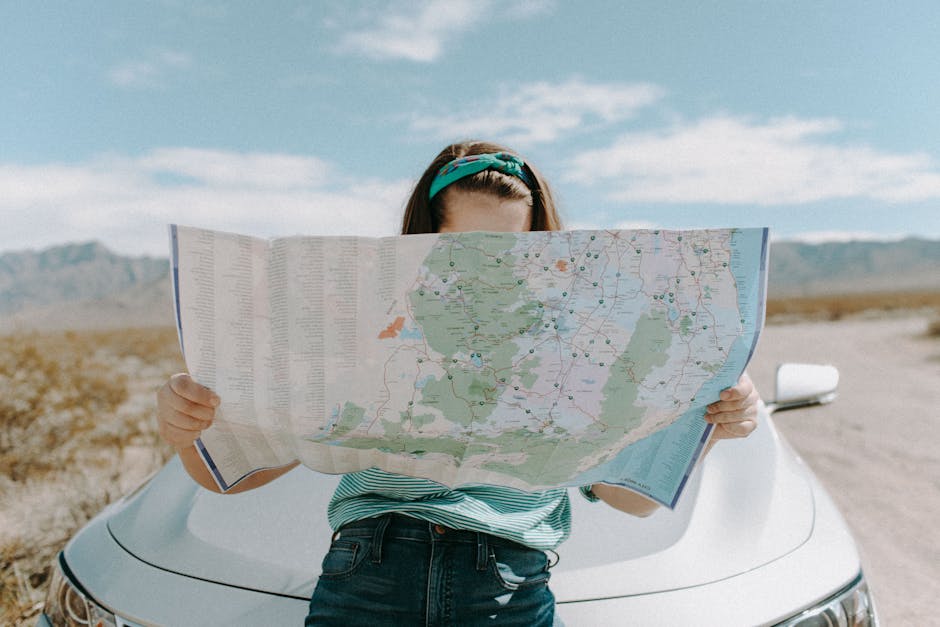
Tourists are easy targets for scams and theft. Dress modestly, follow local dress codes, and avoid carrying large maps or expensive cameras in plain sight. Learn a few basic phrases in the local language—it shows respect and helps you navigate more confidently.
Stay Aware of Your Surroundings
Avoid distractions like headphones or staring at your phone while walking. Keep one ear free to hear approaching vehicles or conversations. If something feels off—like being followed or approached aggressively—trust your instincts and move to a populated area.
Use Reliable Transportation
Stick to licensed taxis, ride-sharing apps with verified drivers, or official public transit. In some cities, unmarked cabs are common but risky. Always confirm the driver knows your destination before getting in. At night, consider pre-booking rides through your hotel.
Avoid Oversharing on Social Media
Posting real-time updates about your location can alert criminals that you’re alone and away from home. Wait until you’ve left an area before sharing photos or check-ins. Even casual posts like “Exploring alone in Marrakech!” can signal vulnerability.
Handling Emergencies and Unexpected Situations
No matter how prepared you are, things can go wrong. Knowing how to respond reduces panic and improves outcomes.
Keep Emergency Contacts Handy
Save local emergency numbers (police, ambulance, fire) in your phone. Also store your country’s embassy contact and your travel insurance provider’s 24/7 helpline. Write them down on paper too—in case your phone dies.
Know How to Get Help
In many countries, dialing 112 connects you to emergency services—even on locked phones. Learn how to ask for help in the local language: “Help!” (“¡Ayuda!” in Spanish, “Aidez-moi!” in French). Carry a small card with your name, blood type, allergies, and emergency contact in your wallet.
If You’re Lost or Separated from Your Belongings
Stay calm. Head to a public place like a café, police station, or tourist information center. Use offline maps (download Google Maps areas in advance) to reorient yourself. If your wallet is stolen, contact your bank immediately to freeze cards.
Technology Tools That Enhance Solo Travel Safety
Modern tools can significantly boost your security—if used wisely.
Use Safety Apps with Real-Time Tracking
Apps like Google Maps (with location sharing), Life360, or Sitata allow friends or family to see your whereabouts in real time. Some, like bSafe, include panic buttons that send alerts with your GPS coordinates.
Download Offline Resources
Save maps, translation tools, and emergency info offline. Google Translate works without internet for many languages. Having key phrases ready helps in medical or police situations.
Enable Two-Factor Authentication
Protect your email, banking, and social accounts with 2FA. If your phone is lost or stolen, this prevents unauthorized access to sensitive data.
Special Considerations for Different Types of Solo Travelers
Safety needs vary based on identity, destination, and travel style. Here’s how to adapt.
Solo Female Travelers
Women often face unique risks, including harassment. Wear clothing that aligns with local norms. Use female-friendly accommodations when available. Consider joining women-only travel groups or tours for high-risk areas. Trust your gut—if a situation feels uncomfortable, leave.
First-Time Solo Travelers
Start with shorter trips to familiar regions. Choose destinations known for being solo-traveler-friendly, such as New Zealand, Portugal, or Japan. Build confidence gradually before venturing into more challenging environments.
Older or Disabled Travelers
Book accessible rooms and transport in advance. Inform airlines and hotels of any mobility needs. Carry medical documentation and extra medication. Consider travel insurance that covers pre-existing conditions.
Common Solo Travel Scams and How to Avoid Them
Scammers often target solo travelers because they appear more vulnerable. Stay alert to these common tactics.
- Fake Taxis: Drivers take you to a remote location and demand exorbitant fares. Always use official stands or apps.
- Distraction Theft: Someone bumps into you while an accomplice picks your pocket. Keep bags zipped and close to your body.
- Friendly Strangers: Overly helpful locals invite you to bars or private homes. Politely decline unsolicited invitations.
- Counterfeit Money or Overcharging: Count change carefully and familiarize yourself with local currency.
Balancing Safety with Spontaneity
Safety shouldn’t mean rigidity. Solo travel is about freedom—and that includes making last-minute decisions. The key is informed spontaneity: research enough to assess risks, then trust your judgment. For example, joining a last-minute guided hike is safer than wandering off-trail alone. Saying yes to new experiences doesn’t mean ignoring red flags.
What to Do If You Feel Unsafe
If you ever feel threatened, prioritize escape over confrontation. Move to a crowded area, enter a shop, or call local authorities. Most cities have tourist police units trained to assist visitors. Don’t worry about being polite—your safety comes first.
Final Takeaways for Safe Solo Travel
Traveling alone safely isn’t about fear—it’s about smart preparation and mindful habits. Research your destination, choose secure lodging, stay aware, and use technology wisely. Share your plans, trust your instincts, and know how to get help. With these practices, you’ll gain not just safety, but deeper confidence and independence on the road.
Essential Solo Travel Safety Checklist
| Task | Completed |
|---|---|
| Research destination safety and local customs | ☐ |
| Share itinerary with trusted contact | ☐ |
| Register with embassy (if applicable) | ☐ |
| Pack money belt, doorstop alarm, portable charger | ☐ |
| Book accommodations with 24/7 front desk | ☐ |
| Save emergency numbers and embassy info | ☐ |
| Download offline maps and translation tools | ☐ |
| Enable location sharing with family/friends | ☐ |
| Carry photocopies of passport and insurance | ☐ |
| Know how to ask for help in local language | ☐ |
Frequently Asked Questions
Is it safe for women to travel alone?
Yes, many women travel solo safely every year. Success depends on destination choice, preparation, and situational awareness. Stick to well-reviewed areas, avoid walking alone at night, and trust your instincts.
What should I do if I lose my passport while traveling alone?
Contact your country’s nearest embassy or consulate immediately. They can issue an emergency travel document. Keep digital copies of your passport and report the loss to local police for documentation.
How can I meet people safely while traveling solo?
Join group tours, stay in social hostels, or attend local events through platforms like Meetup or Couchsurfing. Always meet in public places and let someone know your plans.
By following these practical steps, you’ll be well-equipped to handle the challenges of solo travel—and fully enjoy its rewards. Remember: safety isn’t about limiting adventure; it’s about making sure your adventure lasts.

