
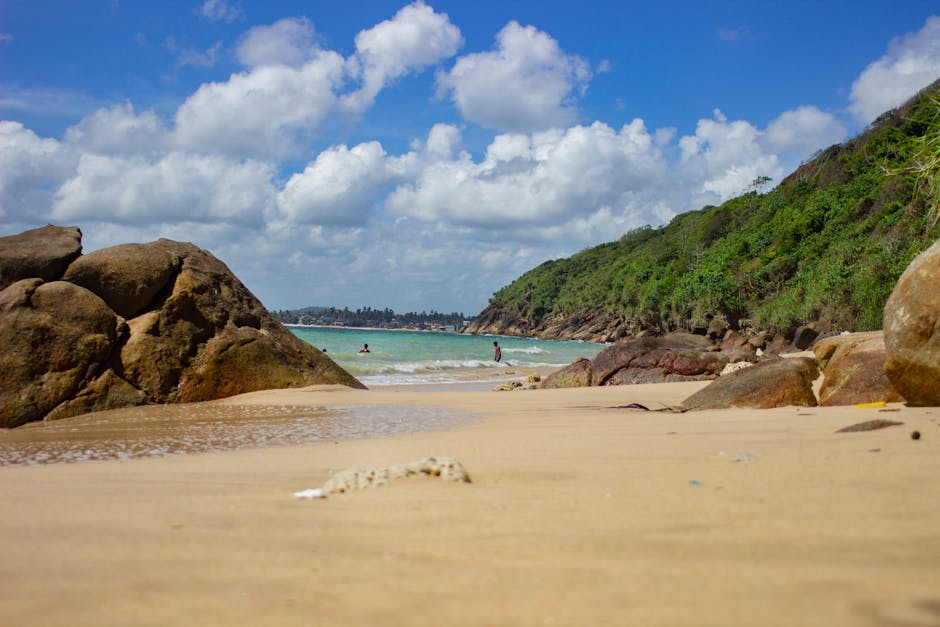
Best Beaches in Sri Lanka Travel Guide
{
“content_html”: “nnn n
Best Beaches in Sri Lanka Travel Guide
n
Sri Lanka’s coastline stretches over 1,300 kilometers, offering a diverse range of beaches that cater to every type of traveler—from surfers and families to couples seeking quiet coves and luxury resorts. Whether you’re looking for golden sands, turquoise waters, world-class snorkeling, or vibrant nightlife, this guide highlights the best beaches in Sri Lanka with practical details on location, activities, best times to visit, and what to expect. From the surf-friendly shores of Arugam Bay to the serene stretches of Mirissa, these beaches deliver authentic coastal experiences across the island’s southwest, east, and southern coasts.
nn
Why Sri Lanka’s Beaches Stand Out
n
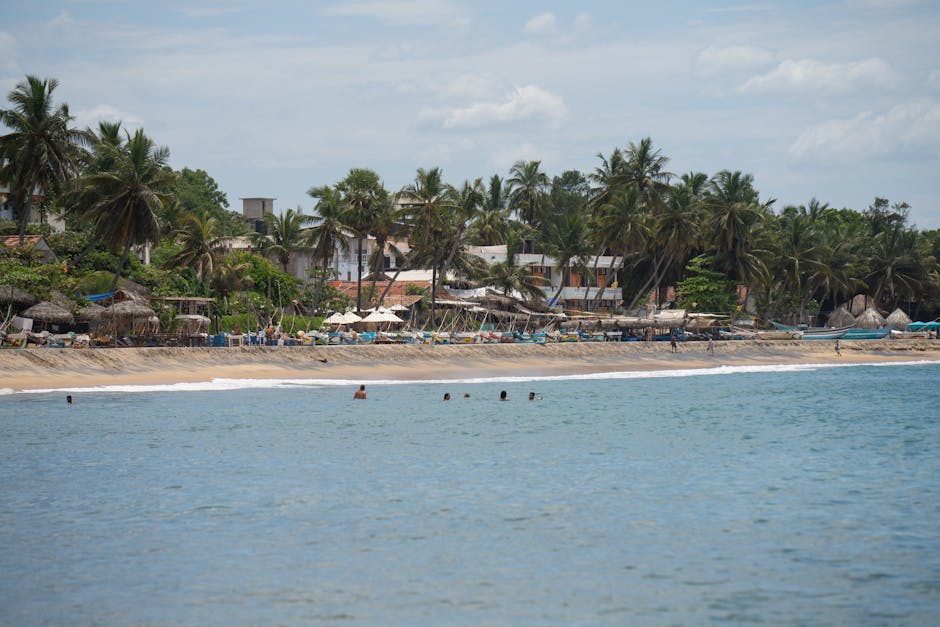
Sri Lanka’s beaches are more than just scenic backdrops—they’re gateways to culture, adventure, and relaxation. Unlike many tropical destinations, Sri Lanka offers a mix of developed beach towns and untouched stretches, allowing travelers to choose their ideal balance of convenience and seclusion. The island’s tropical climate ensures warm weather year-round, though regional monsoon patterns mean timing your visit matters. The southwest coast (including Colombo, Bentota, and Galle) is driest from November to March, while the east coast (like Trincomalee and Arugam Bay) shines from April to October.
n
Beyond sun and sand, many beaches are near UNESCO sites, wildlife reserves, and historic towns. For example, Unawatuna sits just minutes from Galle Fort, while Nilaveli offers boat trips to Pigeon Island National Park. This blend of natural beauty and cultural depth makes Sri Lanka’s shoreline uniquely appealing.
nn
Top 10 Best Beaches in Sri Lanka
n
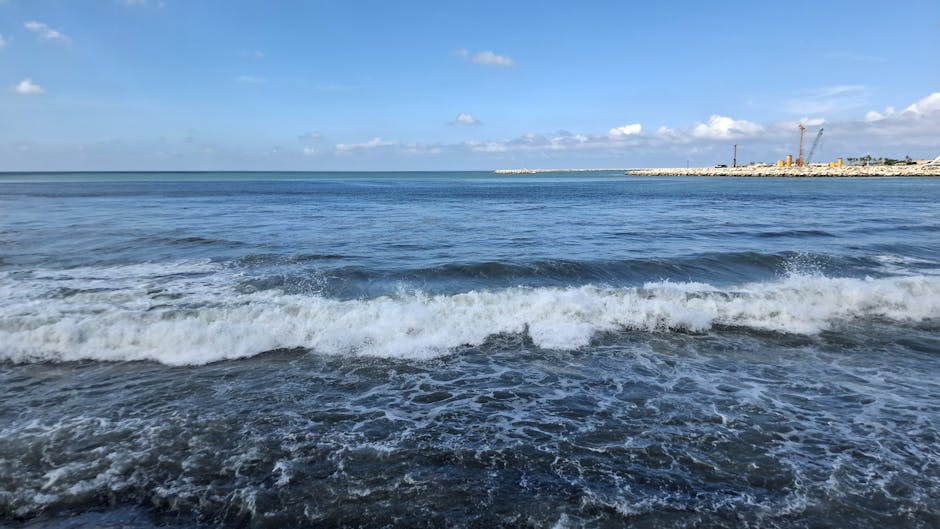
Below are ten of the most celebrated beaches in Sri Lanka, selected for their accessibility, scenery, activities, and overall traveler experience. Each offers something different, so consider your travel style when choosing.
nn
1. Unawatuna Beach
n
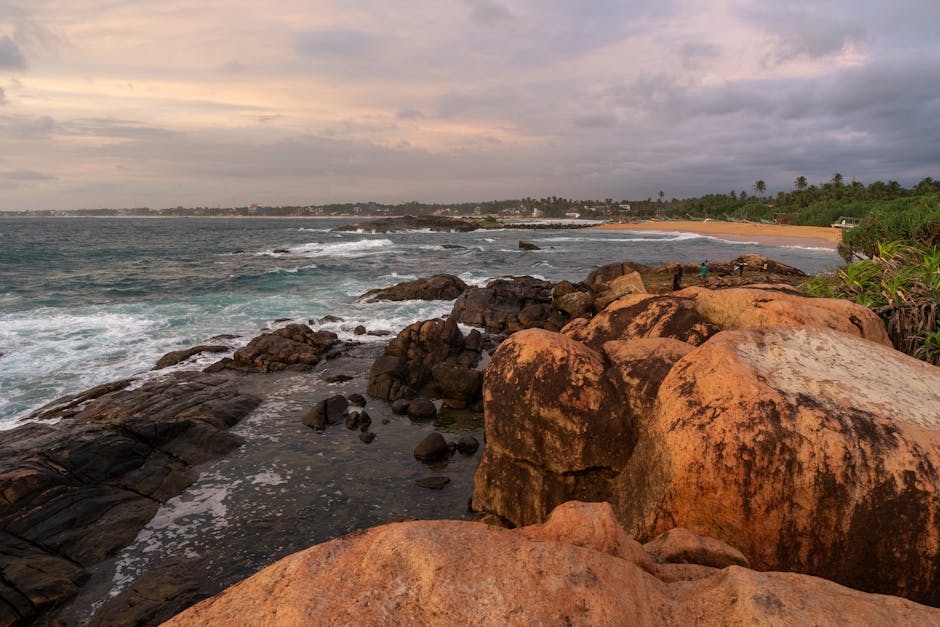
Located just 5 kilometers from Galle, Unawatuna is one of Sri Lanka’s most popular beaches, known for its sheltered bay, calm waters, and vibrant beachfront scene. The crescent-shaped stretch of golden sand is ideal for swimming, especially for families with children. Snorkeling is excellent near the rocky outcrops at the eastern end, where you can spot parrotfish, angelfish, and even sea turtles.
n
Unawatuna has a range of mid-tier hotels, guesthouses, and restaurants, making it convenient for short stays. However, it can get crowded during peak season (December–March). For a quieter experience, visit early in the morning or explore nearby Jungle Beach, a short hike away through a forested path.
n
Best for: Families, first-time visitors, snorkeling
n
Tip: Avoid swimming during high tide if you’re not a strong swimmer—the current can strengthen unexpectedly.
nn
2. Mirissa Beach
n
Mirissa blends laid-back charm with a lively nightlife scene. The main beach is wide and sandy, perfect for sunbathing and swimming, while the nearby Secret Beach offers a more intimate setting with clear waters and minimal crowds. Mirissa is also one of the top spots in Sri Lanka for whale watching, with tours departing daily from November to April.
n
The area has grown in popularity, so expect a mix of boutique hotels, beach bars, and international cuisine. While it’s more developed than some other beaches, Mirissa retains a relaxed vibe, especially outside of weekends and holidays.
n
Best for: Couples, nightlife, whale watching
n
Tip: Book whale-watching tours in advance during peak season to secure a spot on reputable boats.
nn
3. Arugam Bay
n
Arugam Bay is Sri Lanka’s surf capital, drawing wave riders from around the world, especially between May and October when consistent swells roll in from the Indian Ocean. The main beach features a long, sandy stretch with surf breaks suitable for intermediate and advanced surfers. Beginners can take lessons at one of the local surf schools.
n
The town has a bohemian feel, with backpacker hostels, vegan cafes, and open-air yoga studios. It’s less about luxury and more about community and adventure. Note that Arugam Bay is on the east coast, so it’s best visited during the dry season (April–October); the rest of the year, heavy rains can limit access.
n
Best for: Surfers, backpackers, solo travelers
n
Tip: Respect local customs—cover shoulders and knees when walking through the village, especially near mosques.
nn
4. Bentota Beach
n
Bentota is a resort-style destination on the southwest coast, popular with families and cruise passengers. The beach is wide and sandy, with calm waters protected by a offshore reef, making it safe for swimming and water sports. Jet skiing, banana boat rides, and windsurfing are widely available.
n
The area is home to several high-end hotels and all-inclusive resorts, many with private beach access. It’s also close to attractions like the Bentota River and Kande Vihara Temple. While it lacks the raw charm of smaller beaches, Bentota offers comfort and convenience.
n
Best for: Families, luxury travelers, water sports
n
Tip: Visit during weekdays for fewer crowds and better hotel rates.
nn
5. Negombo Beach
n
Just 6 kilometers from Colombo’s international airport, Negombo is ideal for travelers with short layovers or those wanting a beach stop before or after their flight. The beach is long and flat, with a mix of fishing villages, hotels, and restaurants. While the water isn’t crystal clear due to river runoff, it’s fine for a refreshing dip.
n
Negombo is known for its lagoon and canal system, where you can take a boat tour to see traditional stilt fishermen and mangrove forests. The area is practical rather than picturesque, but it’s a smart logistical choice.
n
Best for: Transit travelers, short stays, cultural sightseeing
n
Tip: Stay near the beachfront for easy access, but expect some noise from nearby roads.
nn
6. Trincomalee Beach
n
On the northeast coast, Trincomalee offers a completely different beach experience. The area is known for its clear waters, coral reefs, and proximity to Pigeon Island, a marine national park teeming with tropical fish and sea turtles. Snorkeling and diving here are among the best in Sri Lanka.
n
Trincomalee itself has a mix of colonial architecture, Hindu temples, and a relaxed atmosphere. The main beach is less developed than others, so it’s ideal for travelers seeking authenticity over amenities. The best time to visit is between May and September.
n
Best for: Snorkeling, diving, cultural exploration
n
Tip: Hire a local guide for snorkeling trips—they know the safest and most vibrant spots.
nn
7. Hikkaduwa Beach
n
Hikkaduwa is a lively beach town on the southwest coast, famous for its coral sanctuary and glass-bottom boat tours. The main beach is popular with both locals and tourists, offering a mix of swimming, sunbathing, and beachfront dining. The coral reefs just offshore are accessible for snorkeling, though some areas have suffered from bleaching—still, guided tours can show you healthy patches.
n
Hikkaduwa has a range of accommodations, from budget guesthouses to boutique hotels. It’s also a gateway to the nearby Tsunami Honganawa Memorial and the historic town of Galle.
n
Best for: Snorkeling, nightlife, budget travelers
n
Tip: Avoid touching or stepping on coral—it’s fragile and protected.
nn
8. Nilaveli Beach
n
Just north of Trincomalee, Nilaveli is a quieter alternative with powdery white sand and shallow, clear waters. It’s less developed than other beaches, making it ideal for travelers seeking peace and natural beauty. The nearby Pigeon Island National Park is a major draw, with snorkeling spots just a short boat ride away.
n
Accommodations are limited but growing, with a few eco-lodges and small resorts. The area is also close to the ancient rock fortress of Sigiriya, making it a good base for inland exploration.
n
Best for: Nature lovers, snorkeling, tranquility
n
Tip: Bring reef-safe sunscreen to protect the marine environment.
nn
9. Weligama Beach
n
Weligama is famous for its traditional stilt fishermen, a sight unique to this stretch of coast. The beach itself is wide and sandy, with gentle waves suitable for swimming and beginner surf lessons. The town has a relaxed pace, with small hotels, seafood restaurants, and surf shops.
n
It’s also a gateway to the nearby cinnamon plantations and the historic town of Matara. Weligama is less touristy than Mirissa or Unawatuna, offering a more authentic Sri Lankan experience.
n
Best for: Cultural photography, surfing, local experiences
n
Tip: Respect fishermen while taking photos—ask permission and avoid disrupting their work.
nn
10. Kalpitiya Beach
n
Located on the northwest coast, Kalpitiya is emerging as a top destination for kite surfing and dolphin watching. The area has wide, flat lagoons and consistent winds from May to October, making it ideal for water sports. The beaches are less crowded, with a growing number of eco-resorts and tented camps.
n
Kalpitiya is also known for its dolphin pods, with boat tours offering close encounters (from a respectful distance). The region is less developed, so expect basic amenities and a focus on nature and adventure.
n
Best for: Kite surfing, dolphin watching, off-the-beaten-path travel
n
Tip: Visit during the windy season for the best kite surfing conditions.
nn
How to Choose the Right Beach for Your Trip
n
With so many options, selecting the right beach depends on your travel goals. Consider the following factors:
n
- n
- Travel style: Are you seeking luxury, adventure, or cultural immersion?
- Time of year: Monsoon patterns affect different coasts at different times.
- Activities: Surfing, snorkeling, whale watching, or just relaxing?
- Group type: Families, couples, solo travelers, or large groups?
- Proximity to other attractions: Do you want to combine beach time with temple visits or wildlife safaris?
n
n
n
n
n
n
For first-time visitors, a combination of two or three beaches—such as Unawatuna, Mirissa, and Arugam Bay—can offer a well-rounded experience of Sri Lanka’s coastal diversity.
nn
Best Time to Visit Sri Lanka’s Beaches
n
Sri Lanka’s dual monsoon system means no single time is perfect for the entire coast. The southwest (including Colombo, Bentota, and Galle) enjoys dry, sunny weather from November to March. This is peak tourist season, with higher prices and more crowds.
n
The east coast (Arugam Bay, Trincomalee, Nilaveli) is best from April to October, when the seas are calm and skies are clear. The north and northwest (like Kalpitiya) are accessible year-round but ideal during the dry months.
n
If you’re flexible, consider shoulder seasons (April–May or September–October) for fewer crowds and lower rates, though there’s a slight chance of rain.
nn
Essential Tips for Beach Travel in Sri Lanka
n
- n
- Pack reef-safe sunscreen: Many marine areas are protected, and harmful chemicals can damage coral.
- Respect local customs: Dress modestly when not on the beach, especially in rural areas.
- Stay hydrated: The tropical sun can be intense—drink plenty of water and seek shade during midday.
- Use caution in the water: Rip currents and strong waves can occur, especially on east coast beaches during off-seasons.
- Book accommodations early: Popular beaches fill up quickly during peak season.
- Support local businesses: Choose locally owned guesthouses, restaurants, and tour operators when possible.
n
n
n
n
n
n
nn
Beach Comparison at a Glance
n
The table below compares key features of five top beaches to help you decide.
nn
| Beach | Best For | Best Time to Visit | Water Clarity | Nightlife | Family-Friendly |
|---|---|---|---|---|---|
| Unawatuna | Snorkeling, families | Nov–Mar | Good | Moderate | Yes |
| Mirissa | Whale watching, nightlife | Nov–Apr | Very Good | High | Moderate |
| Arugam Bay | Surfing, backpackers | May–Oct | Good | Low | No |
| Bentota | Water sports, luxury | Nov–Mar | Fair | Low | Yes |
| Trincomalee | Snorkeling, culture | May–Sep | Excellent | Low | Yes |
nn
Safety and Environmental Considerations
n
While Sri Lanka is generally safe for travelers, it’s important to stay aware of your surroundings, especially in less touristy areas. Avoid isolated beaches at night, and never leave valuables unattended on the sand.
n
Environmentally, Sri Lanka’s coastlines face challenges from plastic pollution and coral damage. Travelers can help by avoiding single-use plastics, not feeding wildlife, and choosing eco-certified tour operators. Many beaches now have cleanup initiatives—consider joining one during your stay.
nn
Getting Around Sri Lanka’s Coast
n
Sri Lanka has a mix of transportation options. Domestic flights connect Colombo with Trincomalee and Batticaloa. Trains are scenic and affordable, with coastal routes from Colombo to Galle and Matara. Buses are frequent but can be crowded. For flexibility, consider renting a car with a driver—common for tourists and safer than self-driving.
n
Boat transfers are available between some islands and beaches, especially in the east.

