
Best Beaches in Philippines Travel Guide
Best Beaches in Philippines Travel Guide
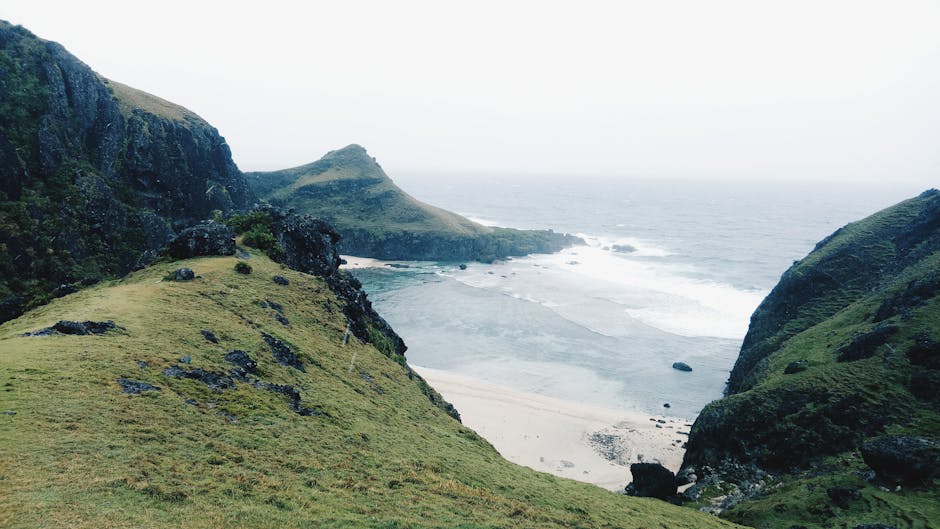
The Philippines is home to some of the world’s most stunning coastlines, and this guide highlights the best beaches in the Philippines for every kind of traveler. Whether you’re seeking powdery white sand, turquoise waters, world-class diving, or quiet solitude, the archipelago’s 7,641 islands offer a beach for every mood. From the iconic shores of Boracay to the untouched coves of Palawan, these destinations combine natural beauty with accessible amenities, making them ideal for first-time visitors and seasoned island-hoppers alike.
Why the Philippines Has the Best Beaches in Southeast Asia
With over 36,000 kilometers of coastline, the Philippines boasts a diverse range of beach experiences. The country’s tropical climate ensures warm weather year-round, while its coral-rich waters support vibrant marine life. Unlike more commercialized beach destinations, many Philippine beaches retain a sense of authenticity, with local communities, fresh seafood, and minimal development. The combination of accessibility, affordability, and natural beauty makes the Philippines a top choice for beach lovers.
Top 7 Best Beaches in the Philippines
Below are seven standout beaches that represent the best of what the Philippines has to offer. Each destination is selected based on water clarity, sand quality, accessibility, activities, and overall traveler experience.
1. White Beach, Boracay
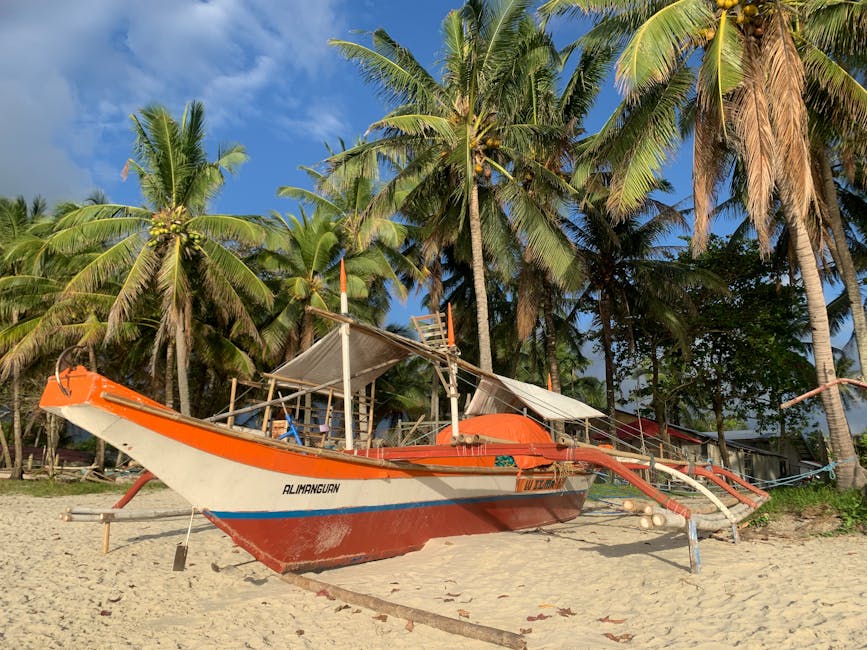
White Beach is arguably the most famous beach in the Philippines. Stretching 4 kilometers along the western coast of Boracay Island, it’s known for its fine, powdery sand and calm, shallow waters—ideal for swimming and families. The beach is divided into three stations: Station 1 offers luxury resorts and upscale dining, Station 2 is the lively hub with bars and restaurants, and Station 3 is quieter and more budget-friendly. Despite past environmental challenges, Boracay has undergone significant rehabilitation, and strict regulations now protect its ecosystem.
2. El Nido, Palawan
El Nido is a gateway to some of the most photographed lagoons and beaches in the world. Located at the northern tip of Palawan, it features dramatic limestone cliffs, hidden lagoons, and crystal-clear waters. Big Lagoon and Small Lagoon are accessible only by boat and offer kayaking through emerald waters surrounded by towering karst formations. Nacpan Beach, a 4-kilometer stretch of golden sand, is perfect for sunset views and long walks. El Nido is ideal for travelers who want adventure and natural beauty in one destination.
3. Siargao – Cloud 9 and General Luna
Siargao, often called the “Surfing Capital of the Philippines,” is best known for Cloud 9, a world-renowned surf break. But beyond the waves, the island offers pristine beaches like Magpupungko and Daku Island. General Luna, the main town, is lined with beachfront cafes, dive shops, and guesthouses. The island’s laid-back vibe and vibrant nightlife make it a favorite among backpackers and digital nomads. Siargao is also a gateway to the Sugba Lagoon and the Sohoton Cove, both accessible via outrigger boats.
4. Panglao Island, Bohol
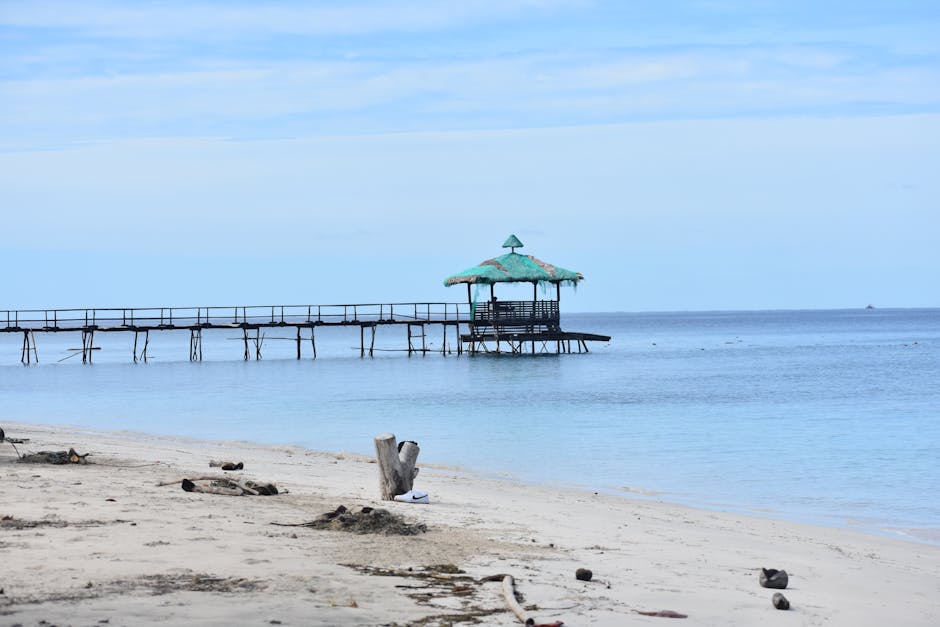
Panglao is a compact island off the coast of Bohol, known for its diving spots and white sand beaches. Alona Beach is the most developed, offering a range of accommodations and restaurants. Just a short boat ride away, Balicasag Island is a marine sanctuary with some of the best wall diving in the country. Panglao’s calm waters and rich biodiversity make it ideal for snorkeling and underwater photography. The nearby Philippine tarsier sanctuary adds a unique wildlife element to your trip.
5. Samal Island, Davao
Just a short ferry ride from Davao City, Samal Island offers a mix of luxury resorts and quiet, undeveloped beaches. Pearl Farm Beach Resort and Hagimit Falls are popular attractions, but the island’s real charm lies in its secluded coves like Monfort Beach and Coral Gardens. With fewer crowds than Boracay or Palawan, Samal is perfect for travelers seeking relaxation and local culture. The island is also known for its fruit orchards and fresh seafood markets.
6. Camiguin – White Island
White Island is a pristine sandbar off the coast of Camiguin, accessible only by boat. With no structures or facilities, it offers a raw, untouched beach experience. The sand is soft and white, and the shallow waters are perfect for wading. The island shifts with the tides, so timing your visit around low tide is essential. Camiguin itself is a volcanic island with hot springs, waterfalls, and a laid-back atmosphere, making it a great complement to your beach day.
7. Bantayan Island, Cebu
Bantayan Island, located in the Visayas, is a quieter alternative to Cebu’s more touristy spots. Its long stretch of white sand, particularly at Paradise Beach and Ogtong Cave, offers tranquility and natural beauty. The island has a growing number of eco-resorts and beachfront cottages, but development remains low-key. Bantayan is ideal for travelers who want to escape the crowds and enjoy simple pleasures—sunrise walks, fresh coconut water, and local island cuisine.
How to Choose the Right Beach for Your Trip
With so many options, selecting the best beach depends on your travel style and priorities. Here’s a quick comparison to help you decide:
| Beach | Best For | Accessibility | Ideal For |
|---|---|---|---|
| Boracay – White Beach | Families, nightlife, water sports | Direct flights to Caticlan | First-time visitors, groups |
| El Nido, Palawan | Adventure, photography, lagoons | Flight to Puerto Princesa + van/boat | Nature lovers, couples |
| Siargao – Cloud 9 | Surfing, backpacking, nightlife | Flight to Siargao Airport | Surfers, young travelers |
| Panglao, Bohol | Diving, snorkeling, wildlife | Ferry from Tagbilaran | Divers, eco-tourists |
| Samal Island | Relaxation, luxury, local culture | Ferry from Davao City | Families, couples |
Travel Tips for Visiting Philippine Beaches
- Best Time to Visit: The dry season from November to May offers the most reliable weather. Avoid the rainy months (June to October), especially during typhoon season.
- Pack Smart: Bring reef-safe sunscreen, a reusable water bottle, and waterproof bags. Many remote beaches have limited facilities.
- Respect Local Rules: Some beaches, especially marine sanctuaries, prohibit single-use plastics or require entrance fees. Always follow posted guidelines.
- Transportation: Domestic flights connect major cities, but reaching islands often requires ferries or small boats. Book transfers in advance during peak season.
- Safety: Check weather conditions before boat trips. Avoid swimming during strong currents or red flag warnings.
What to Expect: Costs and Accommodations
Accommodation options range from budget hostels under ₱1,000 per night to luxury resorts exceeding ₱15,000. Boracay and El Nido have the widest range, while Bantayan and Camiguin offer more affordable stays. Many beachfront guesthouses include breakfast and basic amenities. Booking in advance is recommended during holidays and peak season (December to April). Homestays and eco-lodges are increasingly popular and offer a more authentic experience.
Environmental Responsibility and Sustainable Travel
The Philippines has faced environmental challenges due to overtourism, particularly in Boracay and Palawan. Travelers can help by avoiding single-use plastics, not touching coral reefs, and supporting eco-certified accommodations. Participate in beach clean-ups if available, and choose tour operators that follow sustainable practices. Responsible travel ensures these beaches remain beautiful for future generations.
Final Thoughts
The best beaches in the Philippines offer more than just scenic views—they provide immersive experiences in nature, culture, and adventure. Whether you’re chasing waves in Siargao, exploring lagoons in Palawan, or unwinding on a quiet sandbar in Camiguin, the country’s coastline delivers unforgettable moments. With thoughtful planning and respect for local environments, your beach getaway can be both enjoyable and sustainable.
FAQ
What is the best time of year to visit Philippine beaches?
The ideal time is during the dry season, from November to May, when weather is sunny and seas are calm. Avoid June to October due to heavy rains and potential typhoons.
Do I need a visa to visit the Philippines?
Citizens of over 150 countries, including the US, UK, Canada, and Australia, can enter visa-free for up to 30 days. Check the latest requirements with the Philippine embassy before travel.
Are Philippine beaches safe for swimming?
Most popular beaches are safe, but always check local conditions. Avoid swimming during storms, strong currents, or when warning flags are posted. Stick to designated swimming areas and heed lifeguard advice.

